No matching lines.
Speaker0:00
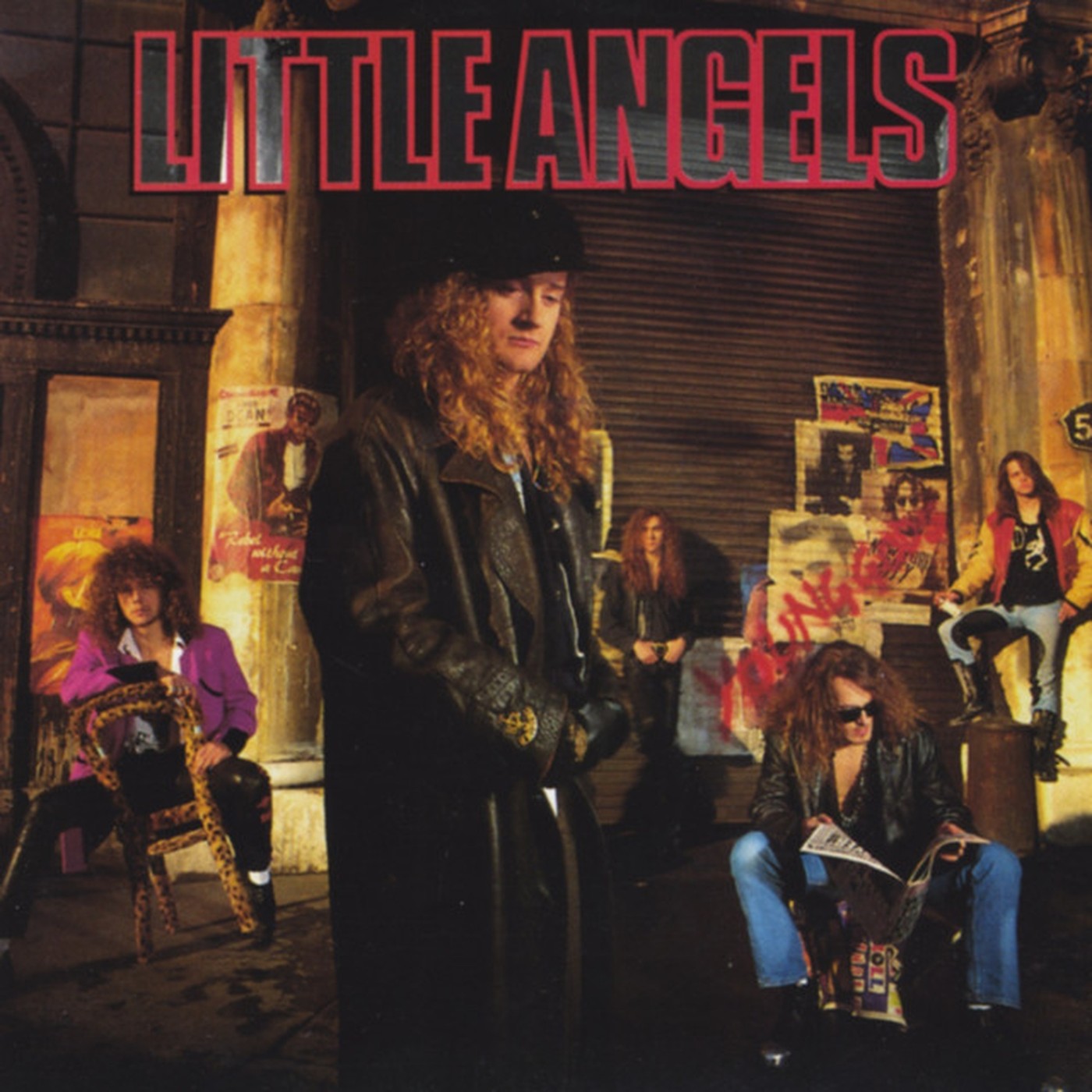
musica another fab intro it's got to be done hasn't it it is we're we're ruffology straight in straight in with the podcast name we're ruffology um neil you're chris yes this week it's little angels yes we're doing the young gods yes oh mate straight off the bat all of the information everything's there yeah last week we did thunder yep i really enjoyed that i really enjoyed thunder yeah um good songs good players really good players really great singing yeah great songs bosh what else do you want this whole uh scene that we're doing at the minute is the british kind of hard rock music from the 90s yeah that nobody ever heard because they were all busy listening to pearl jam and you just said the word yeah you just said the word 90s yeah and i have a very clear idea yeah of what i associate as 90s music yeah and the music we're looking at at the minute isn't that for me no i don't identify this stuff with the 90s i identify this stuff with more like the 80s it feels like an 80s sound this is early 90s i will say this is everything we've done so far is transitional it's like 90 i think we're going to go on yeah because the 90s in the uk developed yes i don't know where they will stray into the oasis and that no no there's some like cool stuff that came after this like feeder and bush and but was it like but was an evolution like not evolution it was like the timeline it was like a timeline of music and it was it was the next it was almost like that was the next logical step from this stuff this this sort of for me this kind of came this definitely came after that 80s british rock scene it was kind of um i like this album for sounds like bon jovi right if you just said to me right that young gods yeah that um little angels and the young gods album you'd play that to me and god oh yeah this is this band from america i wouldn't have questioned it yeah they've got and i think as we talked about last week i think quite clearly this is why so geffen fronted both thunder and little angels and they kind of ran with little angels yeah first so 90 so so they did an album before this um which uh i think i'm spiky punky it's one of my favorite ever records um and then and then they did like that you could put next to 7400 degrees fahrenheit so that is what is it 7800 degrees fahrenheit so one of the fahrenheits yeah that the bon jovi album was yeah whatever number that was yeah all of the fahrenheit fahrenheit one yeah not the shade one no it's a fahrenheit one you you could put that you can put this next to that yeah that first that first little angel album and it would have sat it would have sat with it quite nicely they did don't pray for me in 1989 yeah um i think it's one of the best records ever like for me to be up there in the you know you know we always talk about the those records that you'd put on your wall yeah yeah um that would be the one you'd frame it for me that would be there's no and there aren't many but that will be up there that will that will be up there for me i just adore that and i was so close when when we were picking these for the show yeah um little angels so that their biggest album is an album called jam which was 93 that got to number one in the uk charts um had so is that two after young gods one oh the next one the next one along yeah they've only really done four well i've i think they've done three albums yeah um when you look on every all the wikipedia and stuff always counts for they did one called too posh to mosh too good to last which was basically all of the other stuff there was there was some new stuff like a best of yeah but it was some new stuff like crossroads like bon jovi's crossroads yeah it was kind of like hey this is what we this is what we've got and we didn't get a chance to put out and here's some of our other stuff as well yeah yeah yeah um but they've got those two so they've got don't pray for me young gods and jam which were uh and which all of them are excellent they're a phenomenal band i think um jam was the one that everybody knew the songs from from off of that were pretty big in the charts radio one played it and all of that kind of stuff young gods is this one which i think is for me i think is their best album this is going to get weird like i do with metallica as well so i think i think young gods is their best record which is why we're going to talk about it yes i think this is kind of where they um they were they were but your soft spot is for the other one yeah for me i think i think don't pray for me is my favorite that one's a bit more raucous and rock and rolly it's a little bit less produced it's a bit um i think they spent a lot more time in the studio with young gods yeah um and it shows it's a it's polished it's uh deaf leopard mutlang it's got this um perfection about it there's nothing out of place at all you know i remember at one point we were running both studios i can remember being in the little studio in the courthouse studio just across and i was in there doing all those soundscape things which is the beginning of the feet walking and all at the beginning i can remember sort of like occasionally popping me out into the studio and you'd be still playing the same chord how i mean i i remember what my feeling was about making recording the vocals i mean i literally used to take two or three days to do one master vocal i mean you could go in there i mean even mike he did launch you know a lot he but mike he was pretty perfect really you know everything he did was a take and a master and a keeper but but that was jimbo style to just really drilling into detail it was part of that death leopard era and he jimbo did records like en year and stuff like that that's super produced you know so it was exciting because i don't think the record sounds like that it doesn't sound like we pieced it together in that way well if you listen to your gods it's not far off the live version you know you capture their movie so so so so so so so so you you know you know you know you know you know you know you know you know you know you know you know you know you know you know you know you know you know you know you know you know you know you know when yeah when i've been sort of flicking through this record my thing with it is there's been a lot of effort put into this yeah you know this isn't one that's uh recorded in a couple of weeks you know like everything's live you know this is one where it's been it's quite meticulously crafted isn't it there's there's a there's a lot of cool stuff going on i think you're right as well i think it's got this um there's an energy to it and there's horns on it and you know and which isn't very rock and roll little angels make it rock and roll yeah yeah um and i think it's interesting it kind of um there is a like a trying to think what the the right word to describe it but there's there's like a a a time like a tone there's like a um like a texture or a flavor if you like of this which is little angels and it runs from their their very first demo all the way through to the the very last stuff they ever recorded and you can kind of hear that it was little angels and you know toby's voice is um i'm pretty unique you can you can kind of hear that's uh you know that's toby um but there's just something about the band that is yeah that i think i don't know and that comes through here like even even the the early stuff that was less produced is a little bit more you know rock and roll uh has a little bit more uh kind of i don't know like bite to it i guess but it's a good word yeah that's a great it's a bit more rocky the guitars are a bit fuzzier and it's a bit you know what i mean it feels a bit like somebody's um you know yeah somebody's not agonized over the yeah yeah mastering of it quite as much i don't think but um and i think for me like rock and roll should sound a little bit like that i want it to feel a little bit fuzzy and a bit a bit you know not quite perfect yeah yeah yeah but in you know and then as they as they go through the albums it gets more and more polished um but it still sounds like little angels you know yes it's it it changes as a bit like i mean deaf leppard are a brilliant example i think of that too where you know you've got kind of you're high and dry and pyromania and then eventually you kind of end up with like you know hysteria and um and adrenalized and stuff which are just like polished within a an inch of their lives still deaf leppard still sounds like deaf leppard and the same is true here i think you can still hear that kind of there there's definitely in that that tone but they but they're north yorkshire lads they are i had no idea no when we put the interviews on i went are these guys northern it's mad isn't it i am it's funny because you don't hear it and look well you know the record you know well you imagine how they speak and how they sound yeah it's not that no you can it's not that kind of scarborough from scarborough yeah this album was recorded at um fairview studios in hull um and it's just i don't it doesn't sound i mean i don't know what scarborough and hull sound like but what's the what's the scarborough sound they don't sound like that it's not that is it yeah brilliant isn't it yeah yeah yeah we're having a good session at the moment as a band so but yeah there's loads of people a lot of people we'd like to write we have like a big kind of a ban out in the countryside back home which is like it's mails for anywhere so you make as much like row as you want and everything and that's what so we just we write songs in there so we're busy that doing that at the moment we've just recently um written um some stuff with jim valance which um when we were me and briggs went to write with him in vancouver which is good fun but we we will want there's loads we want to write with because it's always a really good learning experience and it's kind of like you can find all kinds of things out about yourself more than anything else you know using someone else who's more experienced so it was just really good fun now i've got a story about hull go on when when i was the university undergraduate um i was doing sound and that and i was invited at the same at the that at this point um lots of people were doing or say lots of people but there's a bunch of phds doing research on blu-rays so the you know blue lasers yeah no one had blue you didn't have blue leds this time you didn't have blue lasers just red ones just red ones because they were cheap okay and no one could figure out how to make blue ones and the the reason people wanted blue is because it's star wars yes um it's high frequency so you can get more stuff as in the color blue is high frequency than red is yeah yeah yeah yeah really it's physics and that isn't it yeah is that true i shit you not it's uh it's yeah wow i didn't know that that's what color is oh yes the colors it's just the frequency yeah but it gets higher than red yeah but the see what that means is if you use a blue laser is that in the middle it's slightly higher and then red and it yeah it just is it yeah so oh can we do a thing on the colors yeah we can do that if you want yeah so at the point i'm trying to get at so it's the other way around red red's less sorry red's red's less than blue blue blue's higher blue's higher than red yeah now the reason that's important is because if you're trying to store data on something and you can use a higher frequency you could put more stuff on it put more stuff on it but blu-ray is more yeah so the blu-ray is the same size as a cd right yeah yeah yeah but no because you get more stuff because it's a blue it's blue and that's where the name comes from now the little looking at me is if i've been talking to a child oh my god um so this is ace so i was doing acoustics and that and um uh they i got invited to hull university because they'd got a big anechoic chamber and they were doing something up there and they said oh that drive you mad they don't know they drive you insane those things the people say they do but then i've spent hours in them they don't really maybe i don't know what that says about me but they're just quiet i mean you can you can hear you can hear you can hear you can hear the blood in your ears and stuff after a bit it doesn't drive you insane okay it's just quiet right um anyway anechoic means there's no no reflection reflection on the wall so you get no short reverb no anything yeah nothing so there's no yeah so so you you've got no room sound yeah which is why as acousticians used to like him because what you can do is you can put a speaker in there and put a microphone on your own sweeps yeah and it tells you what the box and the drive unit are doing so you can start to do loads of loads of stuff anyway um they said that they're uh they were doing a bunch of stuff they'd uh my lecturer had shared with them some monitors that i designed right and they said we'd love you to kind of come up and we're going to use them and i was like oh that would be that'd be brilliant anyway i i get up there put the monitors in the anechoic chamber and i realized that the the crossover that i designed was the wrong one okay so the crossover is from the low frequency to the high frequency yeah it's like a little circuit board that comes in and and i thought oh you know i'm gonna have to change it so um i kind of and there's no one there they just kind of left me to it and i've been given like relatively vague instructions which is just like put this on that plug the cables in the back and like get out um and but all the way around it's like as you went in the anechoic chamber it was like you know no tools no food no there's no that you can't take pets in there no smoking all of that stuff yeah and i thought oh i need to unsolder the the crossover yeah yeah yeah and there was no one around to ask yeah and i was like 20 yeah so i didn't really care so i thought i'm gonna go get my soldier nine yeah and i'll get an extension lead and i'll do it in the anechoic because it was quite a heavy thing and i'm like yeah so i run out i bet you're really good at soldiering i like soldiering yes what i like mend it mark on youtube i love it i just he's really good at soldiering i love watching him anyway i'll go in and i kind of unscrew the back of the thing right and i put my screwdriver in my little trouser pocket and i get my soldier and i was nice and hot at this point yeah when i start unsoldering it and i lose my balance a little bit right and i dropped my soldier nine and anechoic chambers are basically foam imagine this room i can't remember how much they said it cost but like a lot of money like a lot of the university's budget had gone on this thing and i dropped my soldier and it's kind of dangling on the end of this thing well they didn't have a sign that said no soldier nines i don't they had no pets no they might have done and then so so anyway then then the guy who was looking after me kind of appears yeah and i'm there swinging a soldier at the end of an extension trying to retrieve it from the bottom do you need a hand there son yeah i said yeah probably anyway they didn't ask me to come back oh but i had a lovely time and it was lovely and uh a whole university is lovely um a great nightlife i was there for like three or four nights and it was mega oh cool yeah even though i didn't see little angels um but i did see a man who was i don't know how where it went but he he had a blue blue he's one of the first blue lasers yeah in the country it was very exciting they were all very excited about it as well you know that um i mean i was 20 and didn't really i mean i was just asking about i thought it was good laugh but the the physics department at the university they were very very excited buzzing in there in there downstairs about the blue laser i'm sure they were touching themselves when they used to go and lick the blue laser they might not have done that i don't know i'm making up but that's my story about hole i've only ever been once i went over a big bridge i've never been uh i forgot we're supposed to go and do a gig and that didn't happen for some reason long way yeah i think that was why i just remember i went my dad took me um uh to my dad took me up and then i got the train back um i don't know oh my god it was like i'd say like a day in the car or in our voxel cavalier yeah what's for uh norfolk that's quite far yeah it's not as far as all yeah it's time norfolk's a long way time-wise because there's no roads yeah like all the like you know when you have proper roads yeah yeah yeah they haven't got any of them in norfolk everything's little and windy uh but like hall's got proper roads it's just yeah it's like scotland it's just a really long way okay up yeah up up and right yeah yeah yeah yeah until you see the sea that's really that's it it's near the sea it's right proper yeah for those who don't know we're in the midlands so we are we couldn't be any further from the sea where we are that's true actually yeah we are a long way from this we are in the middle yeah you have to is that what it's called the midlands yeah yeah but yeah we are we're a long way from everywhere you haven't got a great band in the first place no amount of production is going to make it sound great you know i think if it feels right and we all feel it it's what we want at the time then i think i think that's the right way to go when we record we just follow our instincts you know we don't nothing's contrived or anything we just you know do our best and we just do what we what we are you know i mean like when we recorded radical it wasn't like we didn't even know it was going to be a single we just went in the studio to have a bit of fun really our next album i don't think we'd like try and produce it on our own we don't think we're great producers all of a sudden you need outside input to to help you find the direction of an album you know when you're so close it's difficult to be well so we'd argue too much yeah we'd argue a lot so so so so so so so so you so you you you you you you you you you you you i've noticed some common themes with the songs on this record have you yes one is intros yeah and ambient intros or soundscapes so the walk your feet thing yeah is that all about and the other is fade out like long long long fade out the album fades at the end it's got like the longest it's like a 60 minute 60 seconds it's an hour it's just like an hour whole album is just a fade out yeah it's weird isn't it yeah yeah yeah i i don't know how i feel about that so what like we obviously told the story last week about how thunder yeah and these guys little angels were kind of geffen is that right geffen yeah so it was polydor i'm looking at my list i think it's polydor in the yeah polydor in the uk yeah and geffen and geffen in the states and there's this thing about uh little angels being taken you know like they were going to go and be big in the states yeah that was the sort of idea yeah so what happened i think it's a the year is 1991 yeah and i don't have to tell you what else happened in 1991 everything happened in 1991 the other albums that were going on in the us at the time i mean it's just enormous albums that were there's like black album and never mind is it that sort of thing is that yeah yeah exactly and then you because you got guns and roses being massive yeah they were on geffen as well remember yeah so all the all the eggs in that basket yeah yeah then you had um so you had black album you had never mind um slave to the grind by skid row um uh sepultura were out there as well um i don't know there's just i i think just a ton of massive american yeah albums so sort of lost that they were lost in the noise then yeah i think i think if these are like thunder and um little angels i think if these albums had come through two or three years earlier yeah um may have been slightly different story um but yeah i mean it's difficult to compete with those big american i mean you're dealing with i mean the black album was 50 million yeah yeah yeah um like appetite for destruction wasn't far behind um never mind wasn't far behind and then you'd got um you know in the in the in the tail end of that where uh because then you they did this album young gods and then they did jam afterwards which was more commercial right right um but then you you've got kind of this polished rock album yeah up against um you know sound garden yeah yeah so i just think it was this um it's timing as much as anything isn't it yeah yeah yeah yeah yeah yes timing and um uh like popularity and culture what it's whatever you know it's what's fashionable at the time isn't it and i think that this kind of rock music just we just was falling out of fashion a little bit so you know that the record labels is a business so you know they're not going to pump money into stuff that kids aren't buying however great it might be yeah um you know they're they're looking to to sell music you know to sell uh sell albums so yeah um yeah i i i so i think that's kind of what happened so you know that geffen put a little bit of money behind them well polydore put money behind them for the album that came out geffen were then tasked with you know having them be massive yeah they did tours we did that schools time it was a couple of years ago now and like you know you get kids now that are coming to shows they've seen us like eight or nine times from those early days at the school and then they come to every tour since two or three gigs on every tour and it's brilliant it's great seeing some sort of familiar faces every time you play somewhere it's great people still talk about that as well you know every every time someone meets us they're always like question us about that because it's such a weird sort of thing it's good that it that it was worth it because it nearly killed us doing it there's things on the first album that we all really love and we're still promoting it now yeah you know but the for the next album is just going to be so much better and so much more what the little angels i think it's all i think it's all just the art of progression really you know it's in in the case of any band who who tries to grow as a band and grows musicians as well it's just it's just another room up the ladder uh it's a touring um they did touring with all kinds of bands so they toured with uh van halen and john bon jovi and zz top and brian adams uh i think wembley stadium um opening for brian adams in 93 i think that was that was very special um i mean we've played all over the world in some enormous gigs you know and it's a weird one really because like actually the biggest shows they are very memorable the memories for me are things like when we first headlined the marquee club in wardour street which is a world famous venue you know and that's that to us was the pinnacle we thought if we could play the marquee club we'd arrive you know we'd succeeded because all of our heroes played there you know zeppelin you know the rolling stones everyone played that club and we we had ended up headlining there a couple of times but then what happens is then you go okay we've done the marquee club now we want to play hammersmith you know so i would say that hammersmith in the uk um when it was the odian when we we headlined it the first time with with the angels in 91 that was extraordinary because everybody in the industry said we were fools to announce a tour of that size but we sold it out in two weeks and so it was a real triumph you know so that was amazing um i mean you know i i just you know this every gig has a special thing about it that's that's the point they should do brian adams covers yeah oh right kids wanna rock i think was in the set list a lot at this time um and it got a big big reputation for being like a stunning live band as well um i saw them and they were they were just phenomenal it's weird though at that age i didn't realize how good they were yeah yeah you know it was only later when i saw some bands that weren't as good yeah you kind of thought oh god they were brilliant but um yeah i was spoiled a little bit i saw wasp wasp was my first live experience really and they were dead good as well i don't think they get wasps don't get the credit they deserve no i don't know much about wasp really blacky lawless yeah it's good johnny rod all good names johnny rodd was the drummer i think was he with the drummer or was he the bait i can't remember um but i was i was like it's got a great name um but they were dead good live yeah yeah yeah and then i saw them and i saw a few of them i saw the almighty and i saw little angels um we did the almighty couple of weeks yeah we did yeah i saw skid row as well they were dead good live back then anyway yeah um they were playing with motley crew who were dead good live as well then um not as much anymore sorry if you're a big fan of but that's the thing about toby jepson isn't it is that he's he's still doing stuff he's still out there's wayward sons there's other bands he's been producing he's been he's mega yeah i remember i i i'm sure i messaged you um and i was shooting a gig in rock city cannot remember for the life of me he was headlining and what i was doing there but i was there there was a and it was very classic for me there was um there would have been a headliner and there would have been like main support and then there would have been like other support yeah yeah and i wouldn't really have known what was going on i would have known the headliner yeah that's what i was going there to see yeah but i would always get there early to cover the support bands yeah usually they're kids right and i always at that point i always got lots of interaction from those bands so you would go you would shoot and then there were the bands always reach out to you on instagram afterwards say oh do you mind if we use some of your pictures that's really great and so and i i used to quite like that so i always used to get there early and shoot the support bands um and what i would do is i would kind of walk in get my phone take a picture of the tour poster yeah so i'd know who was right yeah and then i'd figure it out when i got home yeah so do you know what i mean then i'd go and look who was in the band and blah blah and so that's kind of how i was functioning back then and i'd walked into rock city taking the picture of the tour poster um wandered meandering my way through got to the uh the pit and i was just kind of sitting there waiting for the band to come on and then the lights go down and the band come on there and i've not even looked up yet but i'm still still faffing i'm still faffing with my camera and i look up and it's toby jepson with wayward sons wow and you just not clocked it you one of their very first shows i had no idea that that toby back in a band he was as far as i was concerned he was a producer songwriter he'd kind of finished with live stuff yeah yeah um i mean i'm pretty sure i'm pretty sure you told me that story maybe a few days after it happened you know yeah yeah i was blown away and i was like and and it's really funny the edit okay i hadn't uh i had an editor back then he um it was about whatever band it was about um and then i'd written like a quarter of the article about the little angels and he was like the little angels didn't play on that night you just happened to see toby jepson who's in a new band that you didn't really write about and then you just gushed about how good like you know don't pray for me and young gods are yeah yeah yeah yeah so could you rewrite that please um but yeah it just blew me away and then uh that was a band called the wayward sons obviously named off of lyrics yes you were playing it i was like oh that's the that's the wayward son yeah yeah yeah yeah it's off of off of the don't pray for me uh album um that's where it where it comes from um but wayward sons are one of my favorite new bands absolutely adore them they're phenomenal um well if you kind of like this kind of british hard rock um they're ah they're just on it they're absolutely but we've got some great hard rock stuff at the minute gun are still knocking them out of the park as well yeah yeah um massive wagons knocking out there's tons and tons of uh i get frustrated when people say there's no good music anymore yeah you've got to dig you're just gonna you're not gonna dig very far you just you've got to like just look a little bit do you know what i mean just need to lift your head up stop whinging and have a look it's there isn't it yeah yeah do you know what i mean and i don't think it matters what genre you like either whether you still like there's loads of awesome prog around um there's like hard rock in britain's always been mega i think and it's on fire um like the british metalcore scene is just i just must be the best um metalcore scene on the planet out of the uk you're kind of architects and uh like buried tomorrow did some new stuff and um oh god anyway the i i i think britain's always been really good for music um didn't do very well at eurovision last night no i noticed i didn't i didn't watch it didn't you what do you mean you'd watch it i don't watch anything do you know well what star wars lizzie watched it yeah which meant that i could overhear hear it from the other room um and we did a song called what the hell just happened okay now this is going to get interesting um i thought it wasn't shit not as shit as that no not the one what the guy with the long hair oh space man space man yeah space man boy what did he sing space man boy space man boy what was his name um sue rider sam rider sue ride is a charity oh my god he's got a good voice on him who's sue rider yeah um anyway yeah he was dead good yeah i thought and we he was he number two or three or something he did he did quite well and he was quite it was a bit songwritery i thought and it wasn't terrible um this one is a girl band um singy uh in tune i think they they they sang well i thought it was quite good quite quite singy um didn't want to make me poke forks into my eyeballs and i thought oh so it's not miserable some of it was awful oh really yes some of some of the songs it's eurovision isn't it so it's a bit i don't think i've ever watched it's like euro pop it's kind of like you know i get the idea of what it is but i don't i'm not i'm not really that interested in it but it's the thing in it people have parties at their houses yeah they do and i and i kind of think it's it's songwritery stuff so i should buy you know i find it intolerable yeah i find it intolerable it's like um i don't know i was gonna say it's like lift music but it's nice it's worse than lift music it's do you know it's as bad as show tunes okay yeah and i can't stand show tunes i just can't stand i don't know people are probably throwing i don't know probably our audience are not throwing things but i find show tunes intolerable as well i got there was um i've got another story for you as well this which which story week this i went to brighton yes this week and you didn't take a picture of the soap for me no i did oh you did take the picture of the soap for me shall i show you want to see now yes this is going to be brilliant podcasting i will share it on our socials i like just to explain the situation while i was looking i like nice soap so i you know i like i like going to a place and like i like the place to have nice soap just while i'm just while i'm skimming through that's that's my cat with a rat oh how big is that rat yeah yeah it's half as big as the cat yeah yeah yeah i had to pick that up it weighed as much as like a like you have to tweet these aren't you for the list for the list to see the picture uh that's the whole the organic being there that's the whole that i was oh that's the conference yeah it's nice yeah it's nice um i guess i'm just padding because i can't find the oh there it is that is oh it's got lights around the mirrors and then and then look you've got the crab tree and evelyn hand oh yes i love some of that i know you like that so i took the picture you know um as i took the picture uh that the the man who cleans the toilet and i look like i'm taking a picture of myself in the toilet i was taking a picture of the crab tree yeah i can't imagine that it looks at me like i'm taking a picture of myself and then i go i'm not taking a picture of myself i'm taking a picture of the hand wash that's so much better isn't it yeah yeah anyway the story the story i've got so so i'm i'm going to brighton to a conference to do speaking and i've got to go and talk about technical things and i've got my talk and i'm all ready and i'm and i'm done right i've got everything ready and i'm good and i think i my sat nav's telling me i'm going to get there at like 12 and i'm on stage at 12 45 i think something like that which is loads of time for me i don't i don't do faffing so i think that's going to be the best thing ever right anyway but those that are not familiar with the uk we're in the midlands the brighton is i don't know it's like in africa somewhere it's miles away like you can't go any further south than brighton it's like it's miles it's like four hour drive so and i'm like oh this is going to be brilliant so i am in my car driving down to brighton and i'm listening to little angels i'm listening to gun i've got thunder on and i'm singing my little heart out in the motorway all the way there your voice is gone by the time i sound like dot cotton off of the eastenders um and i was like and i had i went and got mouthwashed out of my bag and i was trying to try and sort myself out so that i could go and speak when i got there and i was all right yeah yeah but it's a good story all the same that was a very good story it was good yeah lots of singing even slightly connected to what we're doing now as well it was yeah i honestly i must have listened to this album a couple of times here we go so so so so so so so so so so so so so so so so so you so so so so so so so so so you so so so so so so so you so you so you so you you so you so you you so you so you you you Let's go. Get down. I try all my songs on an acoustic guitar, so they easily transfer back to an acoustic guitar. That's my benchmark, is if I can sit and play a song and it works acoustically, because it's all about the words for me, the words and the melody and the idea. And so if it works like that, then it's going to work as a song. So whenever I strip it back to a tune, it just seems to work. Cool. You know, we just heard Toby talking about how he writes on acoustic and stuff. One of the things I got myself recently is if you go to shop.tobyjepsonofficial.com, he's got Toby Jepson, the ultimate bundle from the Angels to the Sons. And it's him talking in his own world, his own words about that whole process of the kids from Scarborough in a band getting signed, going on their first tour around the UK. Toby's just this awesome storyteller as well. So he tells these stories. It's just like a really long podcast, essentially, with Toby, but brilliant storyteller. And so you get that. And then there's a ton of him reimagining those Little Angels songs, but re-singing them and redoing them in an acoustic. So, yeah, super cool. There's tons of stuff in there. There's, like, posters. There's some, like, live stuff. There's some kind of, like, some of it's acoustic. Some of it's electric. But very, very cool. If you like. One for fans, isn't it? Yeah, it is. If you like that. I mean, I don't think there's much chance of more Little Angels material. So, you know, if you're a fan like I am, it's great. And Toby's awesome to listen to. I could listen to him talk forever. And the stories that he tells, you know, and these, I guess, behind the scenes things of what it's like or what it was like back then, you know, as a young band in the early 90s getting signed and, you know, taking on the world. Very cool. Almost up there as you setting fire to an anechoic chamber in Hull. Yeah. I mean, yeah. And discovering the world's best soap in Brighton. It's not bad, actually. It's not bad. They do. There's, like, next to the hotel, they had a lovely fish and chip shop as well. Oh, really? Which was lovely as well. Which is nice, yeah. It was good. People from all. It's lovely because people from all around the world come to that conference. It's not a very big conference. It's one of the smallest I ever get to speak as are, like, 300 people or so. But it's just lovely. The atmosphere is dead chill, dead lovely. You know, like, literally me turning up half an hour before I'm supposed to go. Not a single phone call from anybody. Do you know what I mean? Yeah, yeah, yeah. The big professional conferences. If I've not checked in, like, six hours before or something, I've got, like, an army of people threatening to, I don't know, to come and poke me with a fork or something. It's bonkers, isn't it? Yeah. I mean, you've not checked your slides in. I haven't finished him yet. He's only four hours till you're doing. Yeah, loads of time. I mean, just what you want to do. Yeah, the big ones are a little bit more stressy. They get very stressy. We need to do facts, don't we? Oh, right. Facts. I'm not on the right page of my sheet. I've found my sheet. So, facts. We've talked about tons of it already, so I will skim through the facts. Released in 1991, album title was Young Gods, although it wasn't meant to be Young Gods. It was meant to be Spitfire. Oh, yes. And it got changed to Young Gods because, apparently, it would be seen to be, like, uncool because of the Gulf War. At the time. Oh, really? Which I think is really interesting, looking back, how I kind of think of the 90s as being this time when no one was. I mean, you had spitting image, and no one was offended at this time. Yeah. So, I think it's interesting that they chose to rename it. I think the lead, and I might be wrong with this, so when Toby Jepsen listens, he can tell us whether I've got it wrong or not. But I seem to remember that Boneyard was the lead single. Right, right. And that was going to be called Spitfire. Oh, okay. Or had something, and then that was renamed, something like that. The similar, right, right. There was something, or Boneyard was delayed because of the Gulf War. There was a lot of weirdness going on about this, but I had Boneyard on 12-inch single, which I jumped over the wall at the school and ran down to Martin's Records in Ashby-de-la-Zouche to get. One of the many, one of the many. One of the many escapades, yeah. I remember us going down for that and then turning back up to school with my Martin's Records bag, and nobody asks, where did you get that from? It's just kind of, you know. No, they were the days. No one really cared. Total runtime, 54 minutes, 13 songs. That's a long album, isn't it? Yeah, none of them are very long, which is good. I think they're quite punchy, hard-rocky. It was recorded on Polydor here in the UK and Geffen in the US. I think they didn't crack the US purely because of what else was happening at the time. Yes, as we always said, yeah. Yeah, it was just a bad time to release a hard-rock record because you were up against Guns N' Roses and Metallica and Nirvana and all of the others. On its release in the UK, the album reached number 17 on the UK albums. Jam, the album after this, was number one. Right, yeah, yeah, yeah, yeah. Oh, so that one was really successful then, yeah. Yeah, yeah, Jam was super successful. Yeah, it did really well. The guitarist is Bruce John Dickinson and I think this album, the guitar work doesn't get talked about enough. It's incredible guitar work. Really cool, really, really cool guitar work. I'm sure, and this is another thing that hopefully our listeners can correct us with, but I'm sure that this particular Bruce, because there's obviously an Iron Maiden, Bruce Dickinson, but this particular Bruce Dickinson wrote books about the music industry and all that sort of stuff and ended up like lecturing or being in charge like a leader at the ATM in Guildford. Oh, no, ACM. Oh, I think, so I think he was involved in, I think it's, I want to say BIM. He has definitely been doing, yeah, talking in education about music, absolutely definitely. I don't know about that one you're talking about. That particular one, yeah. But definitely was popular. If so, if it is him, I might have met him once, because I went for a look around there. Did you show him a picture of Handwish? Yeah. Look what I've got. Don't let him in, don't let him in, that one in, yeah, yeah. Yeah, so this was their second album. The first one was Don't Pray For Me, which is my favourite. And on that tour for Don't Pray For Me, that's the one where they toured with Van Halen and Bon Jovi. Very much of a Bon Jovi sound, I think that record as well. A bit more than this one. It's got that, like you said, the 7,900 Fahrenheit, 7,600 Fahrenheit, whatever that one happens to be. The album, the band name changes as well. So they started off as Zeus and then Mr. Thrud. Mr. Thrud. Mr. Thrud. Before settling on Little Angels. And then they did, the first thing they recorded was like a mini album, like an EP called Too Posh to Mosh. I think all of that stuff was done at Fairview Studios. Too Posh to Mosh. I might be wrong. I think nearly all of it was done at Fairview Studios. In Hull. In Hull, yeah, which is, which is, um. Is it still there? Well, Hull, yeah. Yeah. Yeah, Fairview. I don't know. That's interesting. I don't know. Takeaway. Interesting takeaway. If you know if Fairview Studios is still there, let us know. Let us know. Rufology.co or what are we on? Are we Rufology.co on everything now? Yeah. The Facebook and the Twitter. Yeah, just search for Rufology and you'll find us. We're there on the things. Band members, Toby Jepson, lead vocals, rhythm guitar and main songwriter, it says in Wikipedia. Bruce John Dickinson, lead guitar, backing vocals. Jimmy Dickinson, that's his brother, keyboards and backing vocals. Mark Plunkett, bass guitar, backing vocals. Excellent bass melodies, I think, on this. There's some lovely bass guitar work. Yeah, it's one of those where that sort of stands up. It's not just a supporting instrument, is it? No. It sort of takes quite a lead role in some of this stuff. It's lovely. Michael Lee, drums and percussion. Now, they had Dave Kemp on sax. Right. Frank Mittson on the trombone and Grant Kirkhope on the trumpet. Yeah, yeah, yeah. And they're called the Big Bad Horns. I always loved that. I absolutely loved it. I didn't know that there were, I knew they'd got like horns on there. Yes, yeah. I didn't know they were different things. I thought they were, do you know what I mean? Yeah. But I don't know. And also, it's not very rock and roll, but it sounds brilliant. So, yeah, I always liked that. And I think it's probably part of what makes Little Angels sound like Little Angels. Because they go the other way. Yeah, yeah, yeah. Definitely, definitely. Cover artwork designed by Charles Cutforth featuring, and I'm reading from the Wikipedia, featuring a striking image of the band against a stark background, symbolising both their roots and their desire to reach new heights. Nice. Who writes this stuff? It's cool. I always thought it was a cool album cover, though. Recorded. I think it was all analogue. So, that's interesting, I think. Where did we get to? Tracks. Singles. Boneyard. Young Gods. Which is my favourite, I think. I Ain't Gonna Cry. Which is what we brought the show in with. Yeah. Now we need to comment on that, because it starts with a guitar solo. I love songs that start with a guitar solo. And a big ripping one as well. I do. I love it. I just love those kind of, you know, no mucking about. No. It's just like, well, just rip the guitar thingy about. It's got a single called Product of the Working Class. Seven minutes long. Played that one. Good. Did that one earlier. So, we did Boneyard and that one. Then, yeah, yeah. Proper good. They have toured with loads and loads and loads and loads of people. Easy Top, Brian Adams, Van Halen, Bon Jovi. All of the British bands toured with each other all the time. Yeah. FM as well, I think they were out on tour with. So, tons and tons of things. On the touring for this album, they did a ton of stuff. I saw them at Rock City. I'm trying to think of the date, but it would have been 91 or two-ish, something like that. They were phenomenal. I can't remember who they toured with, actually. I cannot remember who they were with, but they were absolutely bloody brilliant. Five things that you might not know about them. So, the Young Gods tour in 1991 marked the band's first headline tour. They did 15 UK dates. Wow. Which, I mean, for the young lads that they were, that would have been pretty mega. It reached 17 on the UK album chart. The horns were recorded live in the studio. The rumours there were done in a day. Right. So, I think this album, they did a lot of faffing in the studio. There was a lot of kind of, you know, let's do 500 takes and get the one that we think sounds best. The rumour, and I don't know how to, Toby, when you're listening, you can tell us. But I read that the horn, the horn parts were done in a day. Just in and out. Wow, yeah, yeah, in and out. Just shows how good they were. Yeah. All these rock musicians, you know what I mean? Taking ages. Yeah. Oh, it's not quite right. Get your horns in, in and out, done. Oh, and the band reunited in 2012 and 2013. And yeah, they played a ton of tracks from Young Gods. I think I remember that happening and there was such a buzz. There's Facebook groups like, you know, Get Little Angels Reunited and stuff like that. There's such a lot of love for them. Yeah, such a lot of love for the band. Like if you look at Thunder, Thunder is still going, tons of support for the band. Yeah, yeah. I think the same support is there for Little Angels and, you know, it's just such a shame. I think that's why, and that's not true, it's not why Wayward Sons are successful. They're successful because they're a great band and great songs and, you know, they're in their own right. But I think there's certainly a certain nostalgia for Little Angels. I bet there's a, you know, the Venn diagram of Little Angels fans and Wayward Sons fans is pretty, you know what I mean? There's a lot of overlap between them. I think a lot of people. That's kind of for me where, you know, obviously seeing them recognising Toby Jepsen on stage and just thinking, I've got to go and listen to them now. Yeah, yeah, yeah, totally. Like becoming an immediate fan of them. The reviews at the time of this album were incredible. They're like Q Magazine, All Music, Kerrang! Everyone really, really liked it and gave it tons of praise, which I think was really interesting. I don't think there were any remasters of this album. It was hard to find. It wasn't on, and again, perhaps when Toby listens, because he's a big fan, I remember having this on CD and it lived in my car for a bit. Yes. And then I remember like, you know, as you do, like going off and not listening to it for probably 10 or 15 years, then suddenly having this desire to hear the Young Gods album, went and grabbed the CD and it was skipping. Yeah, yeah. And that annoyed me greatly. Yeah. So I thought, oh, never mind, it'll be on Spotify and it wasn't. Right. And it'll be on Apple Music and it wasn't on Apple Music and it really frustrated and annoyed me for ages and I tried to buy it and I couldn't find anywhere that sold it. Yeah, wow, wow. And I eventually tracked down a copy of it. I think I paid three pounds for it on eBay and I bought the CD again on eBay and it was hard to get hold of. I've got the, I saw the vinyl not that long ago. It was last summer, I think. And I bought the vinyl, I bought the vinyl of this one. So, yeah, but it was hard to find for a while. And I think, you know, the Thunder Boys talked a little bit about this as well. Yeah. On last week's show where there was just so, oh no, it was The Almighty. Okay. Yeah. And then they were talking about the fact that there were so many different companies involved in producing their music that it was incredibly difficult. Like, there's still Almighty stuff missing from the streaming platforms today. And I wonder if the same was true of this. Do you know what I mean? Where it's... It's passed through so many hands of different things. Yeah. So, it's difficult. Like, certainly for a while it was hard. It wasn't on the streaming sites. It is there now. But, yeah, I think a lot of this stuff for a while just wasn't quite there. And that's it for facts. Beautiful. Well, shall we listen to a song and then we shall decide what we're going to do next? Let's do it. Feels like my world has come and gone Don't want to hear another sad song Soldier boy, now I'm mad and they say Well, I guess my time has come Feels like my world's come undone Tell all my friends that I'm okay Don't believe all the papers said There's a chance we could be home soon That's the water down on the line Feels like my life's been due in time Yesterday everything to me looked fine Had no doubts, had no worries on my mind Now today through the peril of this gun Love is bleeding Love is bleeding When it runs Feels like my world's come undone Oh, deep inside Oh, I can't hide I'm gonna get right It's all how I face the day Swallow my pride Oh, I'll never be the same No, I'll never No, I'll never be the same Feels like my world's come undone Feels like my world has come undone Feels like my world has come undone But I'll know I'll be there When the day is won This heart, it needs a little life Before my life is run Feels like my world has come undone This heart, it needs a little life This heart, it needs a little life It needs a little life This heart, it needs a little life It needs a little life This heart, it needs a little life This heart, it needs a little life This heart, it needs a little life This heart, it needs a little life This heart, it needs a little life This heart, it needs a little life This heart, it needs a little life This heart, it needs a little life This heart, it needs a little life This heart, it needs a little life This heart, it needs a little life This heart, it needs a little life This heart, it needs a little life This heart, it needs a little life This heart, it needs a little life This heart, it needs a little life This heart, it needs a little life This heart, it needs a little life This heart, it needs a little life This heart, it needs a little life This heart, it needs a little life This heart, it needs a little life This heart, it needs a little life This heart, it needs a little life This heart, it needs a little life This heart, it needs a little life This heart, it needs a little life This heart, it needs a little life This heart, it needs a little life This heart, it needs a little life You know the next album we do? We've got an interesting dilemma Oh, okay Because I can vaguely connect Little Angels to Feeder Yeah Vaguely Okay So the Hang on, are we saying now We've already decided What the next record's going to be I'm just saying this is where We've got a dilemma Because Oh, right I can tenuously connect So the drummer The Little Angels drummer That didn't play That didn't play On this album Which he played on Jam So he played the first album No Didn't play on the first album Played on Jam Didn't play on this one Oh, played on the one after this Played on the second album Yeah, yeah, yeah Then went on to join Skunk and Nancy Who then went on to join Feeder Right But then the album I wanted to do For Feeder Is Polythene And he didn't play on that So I thought we could do that But Realistically I think The next obvious Next step Is Gun Yeah, okay Yeah But there's no way I can choose Because Toby Jepsen Played with Gun for a bit Or toured with Gun for a bit I think he was on support With him, yeah Yeah, yeah, yeah Yeah, yeah He did They all know each other This lot This is one of the nice I think one of the nicer Things about them But yeah They all Knew each other Had played together Had shared stuff Yeah, they Yeah, they all knew Each other pretty well But there's not A hope of me Being able to choose A Gun album So I think we might have To do a poll A poll Because I think the best Gun album is Taking on the World From 1989 Yeah I think The one I think You would like Is an album Called Gallus Yes Quite songwritery And that one is Yeah, it's quite It's quite cool Quite cool record Yeah, I like the name Of that one And then They did an album Called Swagger In 94 Which has got All the big hits That one's got like Word up Word up And don't say it's over And seems like I'm losing you And that kind of stuff On there So I don't think I could choose To be honest But I will tell you That I sung My little heart out To take you On the world On the way down That's probably The one Where I lost My voice So yeah Let's do a poll Then That's the way To do that I think we're Going to have to Because there's No way I'm Going to choose Like it was Difficult It was hard Choosing between A lot of these To be honest But like Little angels Choosing this one Was Yeah It's really difficult Because Like I say My favourite Is don't pray for me And it's hard I mean people think It's easy doing this People think it's easy You turn up Your podcast And you go home And that's it It's easy for me You do a lot of the work But it's hard Isn't it How do you choose It's like choosing Between your favourite children Or like Do you know what I mean Or imagine You know your fruit pastels Yeah Red or black Yeah Do you know what I mean It's like which is your favourite I don't know So But this one I thought Do you know what Jam was a little bit Too produced Don't pray for me Was like my favourite Yeah But I kind of think That this is where This is Yeah this is the Kind of quintessential one Yeah I think this one Is mega I think this is the one That is Is brilliant Gun I can't I just can't I think I could make a case For any of those three albums But I kind of feel Spiritually that's where The next Yeah The next They're very British sounding Well Yeah I don't know Maybe But we'll Yeah I think Gun next We'll do a poll Yeah But which one And then We've got to kind of Figure out how long We stay in In England Yeah How long do we stay Because then we've got Bush Yeah Could go and cover Another Skunk and Nancy Record We need to do Feeder Yeah Wild Hearts We haven't done a Wild Hearts Wild Hearts Which Wild Hearts one Would you do Earth Versus Yeah probably Yeah Fuck Yeah We'd have to put that To a poll as well Wouldn't we So before we do The Wild Hearts We'll do Gun Yeah And I can't decide Between taking on the world Gallus Or Swagger So we'll do a poll On X So if you care about that Go on there When are we going to Cut it off Monday to Wednesday I don't know It doesn't really matter Does it No So I'll probably do it For like five days Yeah Assume I mean I'll see how I get On tomorrow So today's Sunday Oh yeah sorry Today's Sunday Tomorrow's Monday The show will come out This show will come out Tomorrow But like it depends On what's on fire When I get to my desk In the morning If it's a bit quiet I get a chance to do stuff So if it's quiet I'll do a poll tomorrow But at some point During the week We'll do it And you can vote And click on it And we'll probably Adieu to the results Probably Unless I don't like The results In which case We might not We might not I don't Do you know Those three albums I don't care Okay I just think they're brilliant I just can't choose So it doesn't matter Which one would win No I don't I think I think it will be A brilliant show Whichever one of those Three we do I think Gun Are one of The most amazing bands Massively underrated I think they are A band like A bit like Thunder Yeah They are Incredible Brilliant musicians Brilliant songs Had like a burst Of really super popularity In and around This time And then Just didn't But their latest record Hombre's In 2024 Yeah Easily up there With the best albums Of 2024 Wow Incredible Brilliant songwriting You're putting hard rock Back on the map They are excellent So I'm totally cool With whichever one Gets chosen So we're just saying now For the record Yeah For the record However the poll goes You will abide by The results of the poll Maybe yeah That's an option Isn't it I sound like Trump When they were asking him If he was going to run For president For a third time Yeah That's how he speaks But yeah We will We will absolutely Definitely Look at the results Of the poll And probably Do what it says Cool I mean Can't be wrong Can it I mean Let's be honest Those three records Are brilliant They're all good Any one of them Is going to be brilliant Yeah So that's Awesome I have taken on the world On the vinyl Don't have the other two I've got Swagger on CD Oh wow Right And I've definitely got I remember having Gallus on CD I absolutely remember Having that on CD In my brown Vauxhall Cavalier Which I liked a lot Although people used to make fun of Because it was brown It had lots of nicknames That car But it had Gallus in it a lot Yeah yeah yeah And I can't find the CD Maybe still in it Probably is I wonder how many of those Old cars in scrapyards Have got CDs stuck in Well not now Because they're Crushed away The number of Oh that's made me A bit sad though The number of Old computers That I used to amend Like I went through a phase Of mending people's Old computers And they would bring you Their old Like laptops and stuff And you would kind of Get things working again And then you would Spit the CD And it would still have Like a A Gina G Yeah like a Gina G CD or something There's a lot of that Right then That's just done isn't it I reckon yeah I reckon that's it We are done For Little Angels This time There we go then Love you bye Love you bye