No matching lines.
Speaker0:00
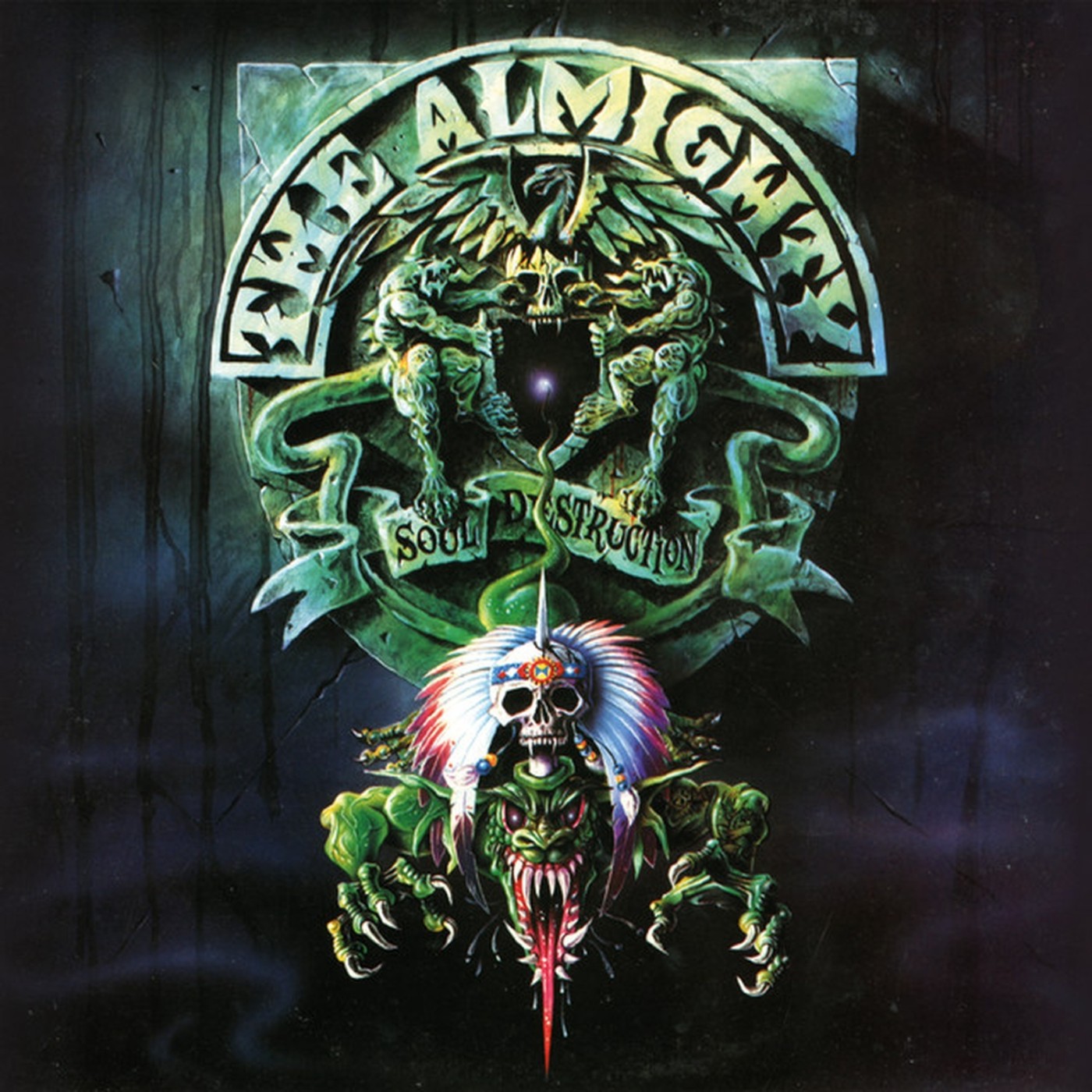
Riffology! I thought you were going to go all deep and go like, Riffology! Oh yeah! Very good, very good. Good morning. Hello, we're Riffology. Riffology. I'm Neil. Chris. You're Chris. Almighty. We're doing the Almighty Soul Destruction because we're on a bit of a UK 90s rock thing. I've never heard this record before this week. I think quite a lot of people, looking at our stats, we, I don't know at what point this happened, because it used to be only our mates that listened to the show. No, it's all over the world, people tuning in. It is. To hear our dulcet tones. Indeed. So, looking at our stats, more than half of our listeners are US. Yeah. And then with some European and then the UK, a big chunk of the rest. So, I think if you were out of the UK, I think this stuff would probably have passed you by, like therapy. Yeah. We did last week. Yeah. We're doing this one, the Almighty too. We're going to do some interviews from... Oh, we didn't do finger! Oh, can we come on to that in a minute? Yeah, yeah, sorry, yeah. I've literally, I've been sat here for an hour. Do you know... A good hour. Yeah. I've been fiddling with things and I've only just noticed that you've got a bandage on your finger. Oh, do you remember when I did it last time? Do you remember how did you bandage on your finger? Yes, you did it before, yeah. I've done that again. So, I sliced the end of it off. I was chopping... I can't remember. Ginger. I was chopping ginger. And I've removed the end of my finger. Anyway. So, yes, I have my finger. So, yeah. So, anyway, we're going to do some British rock. I think it... This is a fascinating scene to me. And do you know why I think it's super fascinating? I think it's super fascinating because it's not a scene. Yes. Yeah, yeah, yeah. Britpop and Oasis and Pulp and Blur and all that. And everyone knew about that. Elastica. Everyone knew about that. It was big and it had a name. Yeah. And, like... This was just stuff. We just did the Pacific Northwest. We did a bunch of albums from Seattle. The Seattle scene, yeah. Grunge and Alt Rock. And it was there. And then before that we were in... LA. LA for glam and hair metal. Yeah. Had a name. Yeah. Had a scene. Yeah. Had a road road. Didn't it? It was a bit on the Sunset Strip, wasn't it? Yeah, yeah, yeah. And... It had a venue. It did. Well, yeah. It had a bunch of venues and it had, like, just some key people in it. This just didn't. No. This was, you know, we talked about it a bit before, but it was bands like Skunker Nancy and Gun and Thunder and Gun and Thunder and Therapy and, yeah, there were just some of these incredible bands that just never quite broke the US. I mean, I remember it had, like, Thunder and Def Leppard. Yeah. Yeah, they just skied it. Def Leppard broke the US and Thunder just didn't. Yeah. And, um... But there are certain bands like that, like, when you said this, you know, and you said about the Almighty and we listened to a few songs at the end last week before we went home. Yeah, yeah. And I was going, it's that same ballpark as Thunder and Def Leppard. It is a bit, isn't it? In a way. And, but Def Leppard obviously skied it. Yeah. And as you say, Thunder didn't quite crack it. But it's that, it's certainly the same ballpark in musicians. Well, production, if anything, the production on it and the way it's produced is very, very... It's a British sound, isn't it? Yeah, yeah, yeah. Yeah, but, which is strange because the way that he's singing is very American. I was a bit shocked with this. I didn't, this is something I've learned as I was doing the prep for this, for this show. You did some good prep. Oh, I didn't, I didn't do any prep. What I did was I messaged you saying, I can't find anything. You did, that is, that is the right thing. Yeah, yeah, and then you sent me 20 things. I did. Of which, the last interview one that you sent. It's good, isn't it? It was awesome. Absolutely. Yeah, we've probably got about a good 20 minutes worth of interviews. I do love Ricky Warwick though. He's a good storyteller. Yeah. Anyway, I discovered something new. These albums that we're going to cover, I adore them. Yeah. You know, if you had your, we always talked about this, having like a, I don't know, like a three by three square of albums to be your top nine or whatever. Most of them for me are here. Okay. Yeah, yeah, yeah, yeah, yeah. Like the big, big American thrash records. But a lot of my absolute total favorites are here from this, from this period. Yeah, yeah, yeah. Would you, are they that, are they that favorite that you commit to having a tattoo done? I don't know. Obviously not. But, but here's the thing that I'm going to, I'm going to call, call out your attention to. Yeah. So of the albums that I think we should cover over the next month or so. Yeah. There's this one, Soul Destruction. Another one is Backstreet Symphony by Thunder. Yeah. Which I think is astonishing. And then there's another one called Taking On The World by Gunn. It's their debut. Okay. It's amazing. Right. Because you've not mentioned that one before. No, that's my favorite Gunn album. You know. Because you said about Swagger. Yeah. Swagger and Gallas. Gallas, yeah. And then. But this one was before that. Taking On The World. Yeah. Taking On The World is, yeah, it's so good. Anyway, they're all produced by Andy Taylor off of Duran Duran. All of them? Mm. Backstreet Symphony, 1990. Andy Taylor. Soul Destruction, that's this one. Andy Taylor. From the Almighty. Andy Taylor, 91. And Gunn, Taking On The World. Andy Taylor, 1989. Did you like Duran Duran? No. Do you like Duran Duran? Not really. It's all right, yeah. But it's not this, is it? No, it wasn't my thing. So how did this happen then? I don't know. Do you want to give me some other albums in here? Yeah. Rod Stewart, Out of Order. Yeah. Didn't know that. No. And he did Reef, Shoot Me Your Ace in 2022. Was, oh, recently. Anyway, according to my sheet, which might be wrong, it says 2022, Shoot Me Your Ace Reef. Anyway, the point I'm getting at, really, is there was definitely a production style. You know, we talked about when we did, like, Seattle and that grunge scene. Yeah, yeah, yeah. And there were... Oh, yeah, there was a centre point, wasn't there? Yeah, there was certainly a style and a tone to it. You could, you could, like, you know, the track would come on the radio and you can't, you might not recognise the band, but you kind of knew where it came from. Yeah, yeah, yeah, it's got that London Bridge Studios thing for sale. I think there's something, I think there's something very similar here. Yeah. Because there is a sound, there is, like, a British sound to these. And it's weird, because I didn't pick it up at the time. No. I wasn't aware. Well, you don't know, do you? I was just like, oh, this is great. You just like the bands. Yeah, you like the music. Yeah, I like this. And the thing for me as well with The Almighty, specifically with this album, because they did an album before it called Blood, Fire and Love, and they did a live album called Blood, Fire and Live. Right, okay. And it had a cover of You Ain't Seen Nothing Yet on it. And that's how I got into it. So, it was the, like, the, it was a girl at school, we were, you know, in your GCSE year. Oh, no, it might have been the year before. Anyway, she had it as a t-shirt. She had Blood, Fire and Live as a t-shirt. Yeah, right. But she was like the, I don't know, like the kind of queen rocker. Do you know what I mean? Everybody kind of looked at her, and we were a bit nerdy, so we were a bit scared to go anywhere near. But I remember her having this t-shirt, Blood, Fire and, Blood, Fire and Live. And I was like, what's that? And she says, oh, it's The Almighty, dickhead. Something like that, nerd. Go and beat yourself up with a pencil or something. Anyway, she, no, she didn't. She was lovely. Her name was Heather. And she said, yes, they're good. And then the next day, she brought a tape in. Oh. Because that's what you did by then. So, she gave me the tape of Blood, Fire and Live. And it had, and I listened to it, and it was great. And it had this cover of You Ain't Seen Nothing Yet. And it was their live energy. Yeah. Which was just like, oh, they were just, for me, they were just absolutely incredible. They had this, like, punky, you know, the Guns and Roses. Yes, yeah. That they've got that kind of attitude where it's like, we're the best band in the world and we don't really care what you think. Or it doesn't matter. It's not like we don't care. It's just like this. This is how it is. It doesn't matter. Yeah, yeah, yeah. It's just the factual truth. We are amazing. Yeah. We don't really care. Yeah. And they had that. They had this kind of swagger and this attitude to them. And I just fell in love with them. And then, as I went off to college, they released this record. They released Soul Destruction. So, this was 91. And I remember I worked over the summer holiday. Yeah. Just before I went to college. And so, I'd got money. I'd got, like, I'd got 100 quid. You didn't get paid back then, did you? I worked in summer fields. Yes. No one can remember that. Yeah. Which is another story. On my first day, I dropped a two kilogram glass jar of Marmite on the floor. This is going to be a great side quest. It's still there now. This is going to be a great side quest story. And then I dropped it. And they were special edition. They didn't. I mean, two. You might be able to get these in the US. But here in the UK, they're like the size of an apple. They're not massive Marmite jars. And this thing was huge. It was like the size of a football. Anyway, I dropped it. And then I tried to, like, scoop it up. And it was not. It was literally broken glass and Marmite on the floor. I didn't know what to do. And then my friend, he wasn't very bright, said, what you should do is go and boil the kettle. Yeah. Because that will melt it. And then you can mop it up. And I was like, oh, genius. You are genius. So then I went into the stuff canteen. Two liters of boiling water. Tipped it on the Marmite, which it did melt. And so now I've got, what I had before was like this, this, like, mound of Marmite and broken glass. Now I've got a lake about four meters wide. But to make it even better, because it's boiling water, I've now filled the shop with a stench of hot Marmite. In summer fields. And then the store manager popped over. Don't believe we've met, young man. I know. I was trying to brush this. So you've been called my mate Marmite forevermore. My mate Marmite. But anyway, I was trying to get to the story of the, because I had money. And I was prepping to go to college. And so I went to the record shop, as you do. And they had this. And I bought the album and got it back. And when I got back, it had loads of stickers in it. So on my, because you know when your first day at college, you're all keen, aren't you? Yeah. So mine had little stickers. I had like a little loss sometimes. Yeah, yeah, yeah. And like a lovely little sticker of the album cover. Oh, wicked. It was lovely. So my first year, probably first 18 months at college, almighty stickers all over my stuff. Emptiness inside my soul. Feelings scattered all around. I need somewhere to lose myself. Everywhere has been found. And sad eyes staring out the window. Tequila tears come raining down. And pain comes to leave you go. So many miles between us and so many endless roads. We're all searching for deliverance. When there ain't no way to run. Lay your spirit down easy. Guess what the ride is gonna be. Guess what the ride is gonna be. A little loss sometimes. A little loss sometimes. A little loss sometimes. A little loss sometimes. A little loss sometimes. A little loss sometimes. Oh yeah When there's nothing to believe in Sometimes these words are not enough Promises so hard to keep in It's hard to feel what you can't touch Yesterday is yesteryear Spirit's bleeding into dust Give me time to understand It's pretty thin that we count love We're all searching for deliverance When there ain't no way to run Lay your spirit down easy Just remember I always got more to be A little love sometimes A little love sometimes A little love sometimes A little love sometimes A little love sometimes A little love sometimes What is this feeling rising over me Yeah, yeah, yeah I might look alright But I'm scared as hell The more I know The less I understand Put me together Before I fall apart I'm scared of being in the dark I'm scared of being in the dark I'm scared of being in the dark I'm scared of being in the dark I'm scared of being in the dark I'm scared of being in the dark I'm scared of being in the dark I'm scared of being in the dark I'm scared of being in the dark I'm scared of being in the dark I'm scared of being in the dark I'm scared of being in the dark I'm scared of being in the dark I'm scared of being in the dark I'm scared of being in the dark I'm scared of being in the dark I'm scared of being in the dark I'm scared of being in the dark I'm scared of being in the dark I'm scared of being in the dark I'm scared of being in the dark I'm scared of being in the dark I'm scared of being in the dark I'm scared of being in the dark I'm scared of being in the dark I'm scared of being in the dark I'm scared of being in the dark I'm scared of being in the dark I'm scared of being in the dark I'm scared of being in the dark I'm scared of being in the dark I'm scared of being in the dark I'm scared of being in the dark I'm scared of being in the dark I'm scared of being in the dark I'm scared of being in the dark I'm scared of being in the dark I'm scared of being in the dark I'm scared of being in the dark I'm scared of being in the dark I'm scared of being in the dark I'm scared of being in the dark I'm scared of being in the dark I'm scared of being in the dark I'm scared of being in the dark I'm scared of being in the dark I'm scared of being in the dark I'm scared of being in the dark I'm scared of being in the dark I'm scared of being in the dark I'm scared of being in the dark I'm scared of being in the dark I'm scared of being in the dark I'm scared of being in the dark I'm scared of being in the dark I'm scared of being in the dark I'm scared of being in the dark I'm scared of being in the dark I'm scared of being in the dark I'm scared of being in the dark I'm scared of being in the dark I'm scared of being in the dark I'm scared of being in the dark I'm scared of being in the dark I'm scared of being in the dark I'm scared of being in the dark I'm scared of being in the dark I'm scared of being in the dark I'm scared of being in the dark I'm scared of being in the dark I'm scared of being in the dark I'm scared of being in the dark I'm scared of being in the dark I'm scared of being in the dark I'm scared of being in the dark I'm scared of being in the dark I'm scared of being in the dark I'm scared of being in the dark I'm scared of being in the dark I'm scared of being in the dark I'm scared of being in the dark I'm scared of being in the dark I'm scared of being in the dark I'm scared of being in the dark I'm scared of being in the dark I'm scared of being in the dark I'm scared of being in the dark I'm scared of being in the dark I'm scared of being in the dark I'm scared of being in the dark I'm scared of being in the dark I'm scared of being in the dark I'm scared of being in the dark I'm scared of being in the dark I'm scared of being in the dark I'm scared of being in the dark I'm scared of being in the dark I'm scared of being in the dark I'm scared of being in the dark I'm scared of being in the dark I'm scared of being in the dark I'm scared of being in the dark I'm scared of being in the dark I'm scared of being in the dark I'm scared of being in the dark I'm scared of being in the dark I'm scared of being in the dark I'm scared of being in the dark Do you remember last week? I don't think we recorded this bit Yeah But I said when I sang when I first started singing like original music Yeah, yeah, yeah I sang just like this guy Yeah If you listen to any... I was in a band called Why the Dead Girl Why the Dead Girl? Why the Dead Girl, yeah From the age of about 16 Yeah To about 18, I think Right Maybe 19 And Yeah I sang like that And very, very early Star From Ivy stuff is like that Yeah Like when I was sort of 19, 20, 21, whatever And the The songs that I used to write were probably quite similar to that Yeah But I never heard this band Isn't that weird? So it's weird I never would have heard The Almighty but I would have written songs that were like that See I So Blood, Fire and Love And The Almighty They Came from a punk background Yeah And I was always Yeah, I mean This is all I knew of them basically Yeah, yeah, yeah So you know, I literally got that The EP Blood, Fire and Live And then bought this just written And I have to be honest Like a half of me buying this particular album was the cover Yeah Because it's just phenomenal It's a beautiful looking thing isn't it? So it's hand painted as well Yeah, coot Yeah It's absolutely incredible Anyway The The more I learned about them Like the more Unexpected That style is Do you know what I mean? Like I guess Like knowing your Music background It kind of makes sense a little bit Yeah That you would do that kind of stuff Yeah But Ricky Warwick's like punky Yeah, yeah, yeah You know what I mean? He's got They Love Motorhead Yeah And there's a couple of songs on the album where you can hear that Yeah There's like the driving bass Yeah Like Lemmy would do Yeah There's a little bit of that on a couple of them It's such a great But then you've got those like They're kind of like ballads Like big rock ballads aren't they? They are And they did They did a few of them On this record particularly Like the big stuff They did like Bandage Knees Little Lost Sometimes And Devil's Toy to a degree as well Yeah, yeah That was a big single I think Bandage Knees I quite like that one actually But Bandage Knees is my favourite one But then I've just discovered that I didn't hear the whole album Yeah Because there's some songs that you can't hear Yeah, and there's a weird thing here This was I might have got this a little bit wrong But these albums were on Polydor Yeah Now there's a relationship between Polydor and Universal Right And I don't think Polydor would be a subsidiary of Universal I think But do you remember there was that fire? Yeah There was a massive fire at Universal Yeah, yeah, yeah, yeah And loads of the master The original masters got burned Got lost Yeah, yeah, yeah This was one of the things Yeah, I think so Although So I thought It's like Wallace and Gromit Yeah, I thought That happened to Wallace and Gromit It did I thought How did we go from the homage to Wallace and Gromit So I thought I thought I always thought this was one of the ones that got lost Because they didn't reissue They didn't remaster any of them These got reissued So Blood, Fire and Love And this one got reissued a few years back Right I thought it was the original I didn't think it was a remaster I thought it was just a repress Yeah, oh right Yeah, yeah, yeah, yeah But again, prepping for this They're all marked as remasters Right, okay Right Which is weird Yeah Because I was convinced that they were removed And I can't hear any difference between Between Between Between them The audio we're using for this show is off the original CD Yeah So this is from my 1991 Yeah CD But Original CDR Original It's proper original But then I've still got a wallet of CDRs Yeah, I've got it I've got it Yeah I've got your wallet of CDRs You've got my wallet of CDRs I've got your wallet of CDRs Have you? I think so Big one Yeah Shall I bring it in? Yeah I'll bring it in I think I've still got it If not, it's going to skip But I think I've still got it So on the Certainly on Apple Music I've not looked on Spotify But Free and Easy and Devil's Toy and Missy They're not there Yeah, that's it But then It looks I'm just going to have a quick look on here Because I've got it I've got it queued up So Spine Farm Records It's weird So the If you look at the bottom On Apple it says This compilation is 2014 Spine Farm Records Right It's not from Polydor And it's not from And Which suggests that perhaps Because I know that Ricky Warwick Sort of Perhaps You know he's got his own thing going on Like his own label or something I think they were trying to re-buy the rights Yeah, that sort of thing And my gut feeling is that they've not They've been able to get the rights They've managed to do this They've managed to do this Okay But not those two tracks And There's a bit I think I don't know whether we're going to use it in interviews But there's a bit where Ricky talks about how complicated things were back then Because it was a mess Like it was Like There was so many different people and companies involved in making them Yeah, yeah, yeah And we were just having a great time So we weren't really paying that much attention And it was only when we wanted to make sure they were on streaming So once streaming started to really kick off We wanted to get all the albums on streaming And we couldn't get Blood, Fire & Love Yeah Or Blood, Fire & Live Or Soul Destruction Power Tripping The one that came after Was okay And then they did Crank And just add Life and stuff But they Yeah, those early ones They've not been on streaming for that long And I remember it coming on And seeing those two tracks missing Yeah, yeah, yeah It's bizarre Absolutely bizarre But the radio edit versions are there If you search for them You can find the radio edit versions Almost the singles kind of things Yeah There's definitely something like Wacky Yeah, yeah Some rights thing going on Ownership and stuff going on there Well, they hit the stratosphere super quick I mean, we've got a really long interview we're going to play We have to play all the interview Because it's so good So I have to be honest I didn't know Like Ricky Warwick for me Was this huge figure on MTV Yeah, yeah His wife Vanessa Warwick Yeah, Headbangers Ball Headbangers Ball Yeah So she was constantly I always used to love to see them interviewing Like she interviewed him and stuff And I always think that was a bit weird But yeah, he was just this kind of Larger than life character I had no idea where he came from I had no idea That background You know, that background from From Belfast And the Troubles You know, we talked about that last week Yeah, yeah With the Troubles, yeah With the Troubles, yeah And then moving to that tiny town in Scotland And stuff And the punk background and stuff I had no idea I had no idea This interview stuff And his storytelling Yeah, it's just amazing Yeah, it's so good How he gets the job role as being the guitarist in the New Model Army as well Yeah Do you know what I mean? But it all came from out of nowhere Yeah So of course they're riding the wave Yeah And they wouldn't be And they had their people to deal with all that So they were doing the music Yeah, of course And then the other guys were doing the business stuff And that's probably, you know Yeah, of course Everything probably got all tied in knots through that Yeah, yeah, yeah It all just feels and sounds just so improbable Yeah Do you know what I mean? Yeah, yeah, yeah It just sounds so unlikely to have happened Do you know what I mean? He's like a kid from Belfast Yeah In Scotland Get a band together Yeah Ends up on tour with New Model Army Yeah Ends in New Model Army Yeah Quits that Yeah Starts another Do you know what I mean? Yeah, yeah, yeah And it's like what? How did that happen? But there's in Black Star Riders now Which is essentially Thin Lizzy Thin Lizzy with him on it, yeah With him singing Unbelievable Shall we listen to his long interview? It's great Yeah, brace yourselves Because it is a long one But you have to listen to all of it Because it's a great story It's just great It's so good So I moved to Straven When I was Just before I turned 15 And Like you said It was a very small It's Straven's quite getting It's quite a big place right now It's getting bigger There's a lot of new houses being built Back then it was very small Yeah So I went to a school That maybe only had four or five hundred pupils at it I went to Straven Academy And I went there When I was sort of I did sort of half a third year And half a fourth year I left just before my 16th birthday But there's the new Irish kid And when we get around There's this guy with a funny accent And he's just He's come over from Belfast Blah, blah, blah, blah So everybody's poking you And wanting you to talk And you know But Word gets out that he's got a guitar And that's always That's always a great leveler And a great common denominator So suddenly You're in the playground And the guy comes up to you With a drum kit and goes You got a guitar? You could I've got a drummer I'm a drummer The bass player The bass player And gravity Those two guys Were Stumpy and Floyd Yeah Who would go on to Formula Mighty with You know Six years down the line You know First day And by that weekend We're in somebody's front room Jamming on On covers So it progresses from that And we You know Various school bands You know 150 name changes later And then I have this little Punk band going With Floyd Who's the bass player Stumpy and I had fallen out Which we do Stumpy Oh man Me and Stumpy are like that Even to this day He's my bro I roomed with him All through the almighty The carnage Me and him But we're like brothers Like we With fist You know Punch ups And next day arms He's my boy You know We're that close But it's a It's a very volatile Amazing relationship I have with him And I'd fallen out with him And we got this other drummer From Coatbridge Playing with us And we had this punk band Called Rough Charm Which is a terrible name But you know And We were starting to make A wee bit of a vibe You know We're in Glasgow We were starting to play Some good gigs Three piece band And I would do the thing Where I would get The overnight bus From Glasgow You know This is when I'm 16 17 18 years old Armed with the cassettes The demo tapes I'd have called up The record companies In London And I guess Speak to the interns You know You're never going to get To the head A&R But I would get the overnight bus Down from London Get off at King's Cross Seven in the morning Go round all the record companies To the demo tapes Yeah Get the young kid To listen to the song You're shite You'll never get anywhere Go back to the farm You know That's how brutal it was And I did this About four or five times I just kept going And I just wouldn't give up I wouldn't take no for an answer You know I'd do that trip down to London And eventually I went to see a company Called Abstract Records Who New Model Army Were signed to And I was a massive New Model Army fan Massive New Model And Rough Charm Definitely had a little bit Of that I hate to use this word But kind of goth punk You know Edge to us And The girl Whose name I forget And it's God forgive me Absolute record She says You have something I really like what you guys are doing You know You're young You have an attitude She says It's not quite there yet She says I think you need to get Some shows She said You'd be great to open For New Model Army I said I love New Model Army Who Who can I get to You know How am I going to get And touch them She says Look here's the Here's their management Contact address Send them a demo tape See what happens So I go back home And To Straven And I write a handwritten note Blah blah blah Put the demo tape Mail it off to New Model Army's management In London Think nothing of it Be lucky if I hear back Yeah And about A week later The phone goes And this guy goes Hello This is Nigel Morton Manager New Model Army Can I speak to Ricky please And I went This is Ricky He says I've just received Your demo tape And I went Fuck off I went Fuck off Rob Stop winding me up And put the phone down Right Thinking it's one of my mates From Straven Right Yeah So I go back I'm on the farm So I go back out And go to work in the farm About 20 minutes later My mum Comes out and she goes There's a big guy Phoning you about three times He says he's the man He says he's the man There's New Model Army He says you put the phone down on me He says he really is And I was like Oh shit You know So I come This is true story So I come So my mum calls me in Take the phone call And he says look He said I really like what I'm hearing These demo tapes Can I come and see your band play And I said well we've got a gig In the venue in Edinburgh On Friday night He says I'll fly up and I'll see you Wow So we did the gig in the venue in Edinburgh And Nigel flew up and saw us And we played great And he went look I'm definitely interested in In doing something with you And he said I'll tell you what I'm going to do We'll put some money behind you We'll get you in a fairly decent studio And we'll get a good demo done And we'll take it from there So he put us in the studio in Newcastle With a guy called Mond Cowie Mond used to play guitar for the Angelic Upstarts And Mond also produced Vengeance The first new Model Army EP That was blowing up everywhere Blowing up everywhere So obviously thrilled Yeah So we go down to Newcastle upon town Spend three days in Link Studios Which is owned by Brian Johnson from ACDC Just loving it Can't believe this is happening Demo turns out great Nigel says look He says New Model Army are doing A run of about six shows He said let's put you on with him Let's see if we can get you noticed And you know Maybe get the band a record deal So we turned up at the first show And it was Norwich University It was Norwich University And I'll never forget it And I'm just like I just can't believe I mean New Model Army are the band I'm just fanatical about at this point You know they're my favourite band And I've been to see them a bunch And Justin Leeson comes in And he's super friendly And he says I believe you know some of our songs I said yes He said look He said we could really do with an extra guitar On a couple of tracks He said do you fancy once you've done your set Getting up and playing on blah blah blah And blah blah blah with us Of course I'm like This happens We do the six dates of the tour It's amazing I get up every night Playing two or three songs with them Go back home Think nothing more of it About a week later Justin calls me up He goes have you got a passport? And I went no Don't have a passport Never been No I think I'd been to Spain Maybe three years You know as a kid No He says get yourself a passport He said we've got a German tour Starting Will you come and play guitar? We need the extra guitar player So I'd you know Rush off Get the overnight passport Next thing I know I'm on a plane to Hamburg And the first thing we do is We play a very famous venue Called the Docks in Hamburg Which is still there to this day I've played it many times The next show after that Is a TV show National TV show in Germany Which I'm on TV You know you've got to understand You know like a week earlier I'm fucking Plowing a field on the farm You know what I mean? Or you know So the third gig Is in front of the Reichstad Opening for David Bowie In front of 85,000 people On the glass spider tour That was my third gig Wow And I'm just you know I'm just fucking I can't believe this is happening Happening So I end up doing Justin goes look We have a world tour We have a year's worth of shows All over the world We need an extra guitar player We need And I played a little bit of keyboards as well He said we need We need somebody else Can you do this? So I had to do the thing Which I didn't enjoy I didn't enjoy I had to go back and tell the guys Look I've got this opportunity You can hate me if you want Yeah But I'm going to have to take it And yes they were You know pissed off But they would have done the same You know anybody would have done the same At that age At that opportunity Sort of I had the idea You know you're always thinking I had the idea The name of the Almighty came to me While I was on tour With New Modern Army I thought when I You know If I do get another band It'll be called the Almighty And then when New Modern Army came off the tour They were going in to record their album Thunder and Constellation Which was a great album And Justin Excuse me the singer was just honest He said look we love having you playing live He said but the core of the band is the three of us Sure Exactly And we're going to go in and make this record You can have three or four months off We'll get back out in the road And even then Even though I was playing my favourite band I just went Justin I went that's not enough for me I said I want this I want the right songs And I want to sing I totally respect your decision Yeah But I'm going to go and do my own thing This has been unbelievable Thank you for everything you've given me The opportunities you've given me But I'm going to go and start my own band And that was the beginning of the Almighty Sitting on inside my head No mirrors to reflect Is this here the season of joy? Or the season to end yet? Lord this must be judgment day Take a close look at myself While you're happy With the hand that you've been dealt The bells are told silently Inflict the invisible band Tell me which is more righteous To this regal of cocaine Friends won't answer your phone calls Call your long distance family Call your long distance family Well I hope someone is listening As I'm going to go and do it As I'm going to go and do it As I'm going to go and do it As I'm going to go and do it As I'm going to go and do it As I'm going to go and do it As I'm going to go and do it As I'm going to go and do it As I'm going to go and do it As I'm going to go and do it As I'm going to go and do it As I'm going to go and do it As I'm going to go and do it As I'm going to go and do it As I'm going to go and do it As I'm going to go and do it As I'm going to go and do it As I'm going to go and do it As I'm going to go and do it As I'm going to go and do it As I'm going to go and do it As I'm going to go and do it As I'm going to go and do it As I'm going to go and do it As I'm going to go and do it As I'm going to go and do it As I'm going to go and do it As I'm going to go and do it As I'm going to go and do it As I'm going to go and do it As I'm going to go and do it As I'm going to go and do it As I'm going to go and do it As I'm going to go and do it As I'm going to go and do it As I'm going to go and do it As I'm going to go and do it As I'm going to go and do it As I'm going to go and do it As I'm going to go and do it As I'm going to go and do it As I'm going to go and do it As I'm going to go and do it As I'm going to go and do it As I'm going to go and do it As I'm going to go and do it As I'm going to go and do it As I'm going to go and do it As I'm going to go and do it As I'm going to go and do it As I'm going to go and do it As I'm going to go and do it As I'm going to go and do it As I'm going to go and do it As I'm going to go and do it As I'm going to go and do it As I'm going to go and do it As I'm going to go and do it As I'm going to go and do it As I'm going to go and do it As I'm going to go and do it As I'm going to go and do it As I'm going to go and do it As I'm going to go and do it As I'm going to go and do it As I'm going to go and do it As I'm going to go and do it As I'm going to go and do it As I'm going to go and do it As I'm going to go and do it As I'm going to go and do it As I'm going to go and do it As I'm going to go and do it As I'm going to go and do it As I'm going to go and do it As I'm going to go and do it As I'm going to go and do it As I'm going to go and do it As I'm going to go and do it As I'm going to go and do it As I'm going to go and do it As I'm going to go and do it As I'm going to go and do it As I'm going to go and do it As I'm going to go and do it As I'm going to go and do it As I'm going to go and do it As I'm going to go and do it As I'm going to go and do it As I'm going to go and do it As I'm going to go and do it As I'm going to go and do it As I'm going to go and do it As I'm going to go and do it I'm going to go and do it As I'm going to go and do it As I'm going to go and do it As I'm going to go and do it As I'm going to go and do it As I'm going to go and do it As I'm going to go and do it As I'm going to go and do it Yeah! Look inside my black lines Telling stories without care You might not like what they say But they only seem the truth Played on me my tarot Slip my neck in through the belt You can't change the ways of the game When the cards are already dealt When the cards are already dealt Oh Lord, yeah The bells they call silently Inflict the invisible pain Tell me your wishes for ashes Share this legal of cocaine Friends won't answer your phone calls Call your long distance family Well I hope someone is listening Yeah, I hope someone is listening As I'm going to go and do it As I'm going to go and do it As I'm going to go and do it As I'm going to go and do it As I'm going to go and do it As I'm going to go and do it As I'm going to go and do it As I'm going to go and do it As I'm going to go and do it As I'm going to go and do it As I'm going to go and do it As I'm going to go and do it As I'm going to go and do it As I'm going to go and do it As I'm going to go and do it As I'm going to go and do it As I'm going to go and do it As I'm going to go and do it As I'm going to go and do it I think that was my favourite one on this album Bandaged Knees Bandaged Knees I like the atmosphere for some of these Do you know what else I quite like Is the snare drum sound Yeah I don't like it Don't you No It's quite punky It's quite It's of its time Yeah At the time that would have been The right snare drum to have I don't feel Oh not today If you were doing an album today Connected to that snare drum Yeah you wouldn't do it If you were doing it today I quite like it It's got It's got Like a I don't know Like a ricochet Yeah On it almost I quite like that Yeah Shall we do some facts Yes I've got some facts I'll do some facts Yep So I can't see my own screen here So Released on 30th March 1991 So it's quite old Yeah Like me It doesn't feel like a March album What does it feel like? It feels like an autumn album Like an October album Oh yeah To me For me this is an autumn album Because I bought I would have bought this in September Yeah And then I would have listened to it I recorded it onto My cassette Minidisc Yeah God I love Bring Minidisc back Sony wants a good slap If Sony Yeah Had have opened that format up Done it properly Yeah because you couldn't You couldn't do like Direct digital recording and stuff Do you remember You had to do it in real time Yeah It was all really crappy If they had have let you do Like digital to digital recording This is going off on a tangent Massively now But It would have been It's only ones and zeros isn't it It would have been incredible Copy it over Bosh Imagine you could have turned up there Got your Sony CD player Yeah Plugged your Minidisc in Went Bosh Yeah On your Minidisc And then you're on the bus Listening to your music Yeah Yeah Nah Morons they were Yeah Sony Sony Anyway I loved it I think the Minidisc is a brilliant format They just ruined it Yeah Yeah anyway So released 30th March 1991 My engagement with this I bought the record on the vinyl Recorded it to my cassette Yeah And then I've had it on my Walkman Yeah In my ears In my You know the crappy earphones That used to have Yeah yeah yeah yeah On the sweaty bus I remember I remember on the way to Burton College And it would be like October November You know when it's cold outside Yeah And I was on there with all the old age pensioners They would breathe And their breath would be all over Over the windows And I'd get on And I'd be like This is miserable Anyway And I would listen to this Total runtime And they'd all eat beef Sorry They'd all eat beef don't they Don't know Yeah They don't know what pensioners eat Yeah it's beef What do you want for tea? Beef Beef pensioners Total runtime 58 minutes 34 seconds Which sounds a lot But it's 12 tracks Yeah Recorded by Polydor Polydor funded this reasonably well Yeah Bunged them a load of quids Which is bonkers If you like There were kids from Scotland Yeah yeah yeah yeah I mean Yeah it was one of them wasn't it? That was a proper gamble They really took a risk I think they saw the drive Yeah In them We worked our socks off We were rehearsing Three or four nights a week Yeah We were hustling We were always thinking We were always you know Scrimping and scraping You know getting in a van Going down to London Losing money on gigs You know 12, 11 gigs we did Or whatever it was You know what I mean? Yeah But what worked really well With the Almighty Was right place Right time Coming from Straven Being the chookters That we were And not being part Of that Glasgow scene Yeah Because there was a lot Of good Glasgow bands That could really play Yeah Really I'm not going to mention names But really Could really play And a lot That were always knocking On the door Not quite there Yeah These three ruffians From Straven Came along with tattoos Yeah Could barely play Four chords But with more attitude Than all those bands Put together Yeah And more swagger And we would come in And we'd just play And we'd blow the roof Off the place And people would go What the fuck is that? Who are they? Recorded in Trident Studios In London By the mighty Andy Taylor Off of Duran Duran Duran That we've discovered What songs did Duran Duran do? I don't know No idea If Alexa Is Alexa on? Didn't they do Rio? I don't know Is that a different band? Watch what I'm going to do I'm going to totally do this Look Hi there What songs did Duran Duran do? Hey Duran Duran have a ton Of great songs Some of their biggest hits Include Hungry Like the Wolf Oh yeah Oh no she's stopped now Girls on Film That's Duran Duran Girls on Film Yeah Ordinary World That's a good song Girls on Film I don't know that bit Rio They did Rio Girls on Film I don't know that bit Wild Boys Wild Boys Oh yeah Yeah Yeah Yeah Yeah Anyway Yes It peaked at number 22 On the UK album charts Yeah I don't think it charted in the United States No President Trump Which is weird isn't it? I don't know President Trump probably doesn't even know The Almighty That's because he is the Almighty Well That picture of him as the Pope Unbelievable isn't it? Man Did you see that? Oh you sent it to me Didn't you? Yeah Wow Yeah retweeted by the White House Or reposted I don't know what's going on Retruthed I don't know what's going on I just don't know I don't know what's real anymore That's the thing You can't tell can you? No no no You're like did he I don't want to get into it But I No Yeah I don't Yeah Yeah Moving on Yeah People weren't really sure what to make of the album And the Almighty They didn't particularly fit into And this I think is very true of That whole British rock scene at the time Yeah Yeah Like what genre are Skunk and Nancy? Yeah Yeah yeah exactly Yeah You know what I mean It's just a lot of shrugging A lot of Yeah yeah And they got called political rock didn't they? Political rock Yeah political rock I think they got really confused with the Almighty Are they a punk band? Yeah yeah Are they a rock band? Are they a punk rock band? What kind of band are they? Yeah Which that was really really interesting There was a quote from Brit Rock Brit Rock He says that's what I asked ChatGPT to create a scene name And it said Brit Rock Brit Rock Yeah But it's too close to Brit Pop It is Yeah And it's a bit more alt-y I don't know Yeah I'd call it alternative rock Alternative UK rock That's why I call it It is hard rock isn't it? Yeah yeah There's some stuff in there that's alt-y Yeah But a lot of the stuff that I really want to cover Like this That Thunder Yeah Little Angels were a bit poppy Yeah yeah But they're still quite rocky Gun Yeah yeah It's just this hard rock It's just this massive slab of hard rock bands In the 90s In the UK That no one outside of the UK Has ever heard of Yeah And I need to fix that I feel like I need to kind of Do you know what I mean? Yeah Not that anyone's going to listen to them So I have a funny feeling that you know Compared to the big US albums That we've been doing I've got like four people Are going to listen to these So Prove them all wrong Yeah Everybody Anyway Warwick said Andy was known for pop stuff But he had a rock attitude And he wanted to make a bombastic In your face rock record He was the right man for the job And he loved rock music Yeah okay I think like that people Probably didn't Didn't realise that very much We've already Done the interview bit With where he came from But ultimately You know From Ireland And then over to Scotland Yeah yeah yeah And That I think Like his accent And the punk style Of that kind of punk attitude The press really got confused They were like going Oh They're like the cult And ACDC Right okay Lots of comparisons If you look at this stuff Which is a little bit Yeah A bit bizarre I think was a little bit bizarre anyway In the band were Ricky Warwick vocals Stump Monroe Everyone had a nickname Yeah Because you have to do Yeah Stump Monroe Floyd London And Tantrum Who's Andy McCafferty Tantrum It's good isn't it Yeah I think it's really good Ricky wrote most of the lyrics I think Tantrum wrote some And Floyd wrote some as well But the vast majority Of the lyrics Are Ricky's The album title Soul Destruction Is the darker side Of human nature That's where it comes from Ah okay I always loved the That The soul I just loved the song Yeah The song title Yeah But yeah It's It's pretty mega Recorded Between December 1990 And January 1991 So it was a winter album Recorded Yeah that's where That's it then That's what you can hear I can hear the snowflakes Yeah which I think So engineered by Adrian Bushby That name comes Oh What are you What are you Oh no you're looking at me Like I've just said I've No that's interesting Anyway yeah So Adrian Bushby Yeah which He would later work with Foo Fighters And Moos Yeah I like Moos Moos Yeah Recorded on the normal stuff SSL 4000 discs 1176 compressors All of the usual stuff I think one of the reasons I really love the tone of this album Is it's not over compressed Yeah yeah yeah Do you know what I mean There's lots of dynamics And in fact nearly all of these albums They're nowhere near as compressed They're not as thick as the US Yeah yeah yeah Versions And then the Like the US hard rock That would follow After this stuff Is like just a massive It's a slab It's not a wall of guitars Yeah yeah yeah It's just this like It's like a tsunami Just hits Yeah yeah yeah You know what I mean The guitars are like You can taste them They're thick Yeah yeah yeah You know what I mean They're incredible Back here it's a little bit more Like It's got more in common I think with those kind of British prog bands Yeah yeah yeah Guitar tone Not the tone But the How compressed it is Yeah You know what I mean How new faces Which I think is really interesting Other albums that Andy Taylor produced We talked about this a little bit before But he did work with the power station He did Thunder's Backstreet Symphony Which is very much a part of this Rod Stewart's Out of Order Don't think I've ever listened to that No I've not Do you know I've only I only know Rod Stewart I am sailing I am sailing I know A Rod Stewart song An actual Rod Stewart song I'm going to play it for you You ready Do you recognise this No Did you not watch this Star Trek Enterprise No Was this on the Enterprise The theme tune It was recorded by a dude Called Russell Watson Oh The singer The man Yeah Yeah You're the man Yeah Russell Watson I really liked it I didn't know it was Rod Stewart So he covered Rod Stewart Yeah But the bit that I think is really weird It's It's in Rod Stewart now Oh that bit That bit right Sorry The reason I wanted to Oh I can't stop it Stop Keeping that in That's actually something he would say to a lady He'd be like Once you ride You can't stop The reason I've gone on a rabbit hole already for this one So that was Russell Watson Yeah Faith of the Heart It was on a TV series called Star Trek Enterprise Which I quite liked Scott Bakula Scott Bakula Yeah He was dead good Yeah Quantum leap But two things about it that I think is weird One I didn't know it was Rod Stewart I thought that's quite cool I should look that up And I looked it up Found it was Rod Stewart And then thought oh Yeah Which was a bit weird isn't it I feel like I probably would like Rod Stewart Yeah If I listen I feel like I may need to go and listen He did some good stuff I may need to listen to his stuff The other weird thing is Handbags and Glad Rags It's a good song Faith Yeah Faith of the Heart Was the name of the song For the Enterprise They renamed it Where My Heart Will Take Me Oh really Can you do that I mean like can I And this is Well so let's say I took one of your songs Yeah And then I covered it Yeah And then I was just like I'll call it something else Are you allowed to do that Is that I just feel like there should be like Some copyright law Yeah He would have okayed it Had he gone yeah whatever Rod Maybe Rod Stewart's a massive Star Trek fan He's like When he wasn't rodding No I think I think that I think that What he's What he sat at home was He's like If you can sort me out With some Spock ears Spock ears Do me the death grip Teach me the death grip And you can do what you want Yeah Tell me the Spock ears And then you can And then you can do What you want with it Yeah I mean that was a tiny Little meander off track But we We were doing facts Of soul destruction Shall I I was just looking down At my My iPad And I suddenly realised I was doing something We've gone right off there Yeah That's good going It's not bad is it Yeah yeah If we were on a radio station They'd be having words with us Somebody would be banging on the glass Wouldn't they Shut up Right So yeah So released The 30th of March 1991 Reached number 22 On the UK album charts Which is Which is pretty good Considering the Britpop And all the things That were going on In that time And there's some other albums That were released in 91 I'm going to give you a list In a minute But they're just Absolute incredible The Almighty's biggest album Was their next one Power Tripping Right okay A bit grungy Oh really Yeah they went That era wasn't it Yeah Was it 92, 93 Yeah 93 Produced by Chris Sheldon Who did Crank as well I was going to say that Yeah that name brings up That's He's done some other stuff as well He has But Power Tripping Is the one I think Power Tripping Is probably the one Most people Know Of The Almighty So yeah Absolutely huge So albums in 1991 I'm going to take a breath And give you a list Because there's some bangers Nevermind Nevermind Metallica The Black Album Bad Motor Finger Use Your Illusion 1 and 2 Yeah Too much For me I couldn't consume With Blind Melon Man on it I Yeah I I just Didn't Engage With either of those albums Yeah Because there's too much of them Not even November Rain No That was too long Even though Slash walked out of the church I liked Tell you what I like about November I like the end of it Yeah Do you know what I mean Not when it ends But I like the last The last like 3 minutes Because it's like 5 hours long Isn't it The last 3 minutes It's nearly as long as a meatloaf intro Poor meat I still love that interview Where he makes that Children's TV presenter She says Do I call you Mr. Loaf And he says No you can call me Meat I just love him Anyway other albums That came out in 1991 10 by the Pearl Jam Yeah yeah Slave to the Grind By Skid Row Arise by Sepultura Wow My second favourite Sepultura album Yeah Chaos AD Beneath the Remains Oh Beneath the Remains Right yeah We're going to struggle When it comes to doing At some point We're going to be in that Scene Which one do we do And we're going to have to Choose a Sepultura album And me and you are like Separated by like I think Beneath the Remains Is the I just think it's incredible Yeah yeah And you're kind of A couple of albums later Yeah I'm Roots Yeah yeah Blood Sugar Sex and Magic By the Red Hot Chili Peppers Yeah And another one of my favourites Clandestine by Entombed That's my second favourite Entombed album Right Left Hand Path is my favourite Okay yeah yeah yeah At some point We'll have to do that as well That scene again Is absolutely excellent Didn't win any awards Soul Destruction by the No No Slipped under the radar Yeah Kerrang readers Placed the Almighty Among the best new acts In their 1989 poll But they didn't really Get much notice Now It didn't really Occur to me at the time But the reason No one in the US Had heard of these bands Is because Nevermind came out Yeah And Ten came out Yeah And Bad Motor Finger Came out And Metallica came out And Use Your Illusion One and Two came out Yeah So given Do you see what I mean Yeah With those albums out In the US If you were in the US Yeah that's all you listen to You're not going to have seen I mean we I knew those albums were out You know We were obviously getting this too So I think Tons of people just won't What an era for Oh it's mad isn't it Rock music What an era You know I must have said that So many times On this podcast But Yeah What a world that was back then And to be a musician In that world It's crazy isn't it Yeah yeah I remember when Clandestine came out I took a day off college I honestly I took a day off college And went and bought it And just sat at home And listened to the CD Yeah yeah yeah That's what Sounds mad doesn't it Yeah yeah yeah But that's what I did Genuinely Absolutely definitely That's what I did There were three singles Yeah Free and easy Little Lost Sometimes And Devil's Toy It's just occurred to me When we were talking about This song that wasn't On Apple Music It wasn't Devil's Toy It was Little Lost Sometimes Oh okay So it was Free and Easy And Little Lost Sometimes Yeah Little Lost Sometimes Is seven minutes long Yeah yeah Which is quite long Yeah it's quite long Yeah What else did I want to talk about Oh touring So There were A big live band Yeah But as we Heard in the interviews They were picked up And signed Really quickly Really quickly Yeah And then they were Kind of out on the road They were touring With Motorhead And Megadeth Yeah Which like You know Big Big stuff They With Alice Cooper As well And you know I just I don't know So they They were just This machine Of a live band I think they just Kind of got it Right They just kind of Understood Yeah How live music works They always had some Covers that they were doing So they did Backman Turner Overdrives You ain't seen nothing yet And Sex Pistols They did Bodies I think that was the tour After Yeah I might be on this tour But they would do stuff like that Where they would do these It's a talking point isn't it Yeah I think they really knew That they were kind of the underdogs They were out Touring with these bigger bands So they'd like drop in something That people heard of And like I say You ain't seen nothing yet Was the one that really pulled me in And I was like Oh god that's really cool What they've done with that Is really really cool And you hate covers as well I'm not a big covers fan Well yeah That's true I'm not a big covers fan What else Oh five things In This is from the blog So Andy Taylor produced it He was off of Duran Duran It peaked at number 22 Artwork was by Coot K-O-O-T It's worth checking him out And some of his artwork Really really cool Redid the album artwork And you know While you were faffing earlier Yeah I ordered I don't faff You were doing something earlier While you were doing that I ordered the remaster Did you really That's how often That's how much I faff And that's how long I faff for It is yeah But they're going to be delivered tomorrow And I'm looking forward to that Interesting bands That cited them as Influencers So Machine Head They've got a new album out Which I quite like That's quite heavy Good record Black Label Society As well Yeah Everybody gave it Like pretty good reviews Like fours and five Yeah yeah Fours out of five Fives out of five That kind of thing Tantrum The guitarist left in 92 Who was replaced By Pete Freeson Who was Alice Cooper's Touring guitar Ah right I thought I knew that And then he was on there For power tripping So you can hear There's a big difference There's a big difference Guitar wise In guitar tone When they And I think that's kind of Where it Where it comes from So that That shift is I think is Pete Freeson's Yeah yeah yeah Sound Recently reunited in 2023 So the band Split up I say split up I think I think Wiki Wiki Wiki Wiki just left I think I think he was just like I've done this I'm Going to do something else So People need to remember That the almighty Didn't split up I left I left the band So it was on me It wasn't a case of like We're splitting up I just went in and went Guys you can carry on If you want You have my blessing Get somebody else Go for it But I can't do this anymore And I went back to Dublin So I licked my wounds But then I formed the band Sick The punk band Sick That I called through So I had a I had a wonderful year With them The two guys And we were a great band And it was starting to happen And you know We had a huge deal We'd actually We had a huge deal Lined up with MCA After about a year And that fell through At the 11th hour I mean we did We had the actual contracts And then the guy Who was about to sign us Got fired on the Monday Yeah We're not signing any bands Yeah Ripped it up And suddenly I just went Can't fucking believe this This is happening again This bullshit music industry Industry Not the music The industry Is fucking me Over and over And over And that destroyed me I just went I can't go through this again And I lost the plot For about a year and a half I just went I just really Went to a bad Bad Bad Bad place Because I was about To hit 30 I had no record deal I had no management deal I had no publishing deal After 10 years Of the highs Of the almighty And even The one year was sick And you know Joe Elliott Eventually grabbed me By the scruff of the neck And went You need to fucking Snap out of this And get your shit together Because this isn't doing Anybody any good Certainly not you And you know I was able to secure A publishing deal Which provided me With some money And he said Right We're going into my studio We're making a record You're going to reinvent yourself He says I've heard you play The acoustic guitar I've heard you sing And not shout He said There's something there And he said We're going to get We're going to get that So Fair play to Joe And that's really And so The good thing about Tattoo's Naba Is sort of reinventing The whole love Falling in love With music all over again Was the canvas Was blank Yeah I'd done the almighty I'd done the heaviness I'd done the guitars Cranked up And the big riffs And all that I'd done that For 10, 11, 12 years But suddenly There was this Whole new thing Where Okay I'm writing On an acoustic guitar I'm singing now Suddenly all these Roads opened up to me You know And I just was like This is brilliant So all these ideas Started coming Out of nowhere And that was Tattoos and Alibis Toby Jepson Was playing a show At the garage In Islington And He let me Be special guest Unannounced Right Unannounced Special guest And that was March 2002 So we're almost Looking at 19 years ago And So I went on With the acoustic guitar And people Recognized me I'm like Oh it's really What's he doing You know And I went on And played Seven or eight Songs Acoustic songs And it was An amazing experience I was terrified I mean I think I was drenched You know I was so nervous And sweating I probably didn't Open my eyes For the whole show But that Because that was My first time ever But one of the things That I did do When I knew I was going In that direction There's a great Irish Folk singer Called Kieran Goss Who's unbelievable And I've co-written A couple of songs With him A couple of songs I co-wrote I co-wrote I co-wrote Guilty of Love Many Trust For You And Nothing Is Real On Tattoos And Albus And co-wrote With Kieran And my publisher Hooked us up Together Kieran's a million Miles away from me He's a real folk singer You know Totally coming at Not from a rock angle At all But we became Really good friends And I would go out When he was playing In Ireland And go to four Or five shows Because it was just Him and acoustic guitar And watch how he Interacted with the audience Watch how he did it This is how you do A one man show And learnt so much From that So Taking that knowledge That I got from Kieran And then going into My own shows I was like Right Obviously it's going to be Different because you're Playing to rockers Of course So you're not going to Get the silence Of a pin dropping In a folk club Or I know that But certainly There's a way That I learned from him To interact with people With just Doing the one man show And that was Invaluable to me You know So I just Took what I learned Put that into The own show And it was the best thing That ever happened to me Because suddenly You have to get You have to be Really good at the guitar Your singing Has to get better You have to be More animated You have to be More entertaining Because it's just you There's nobody else there Because he's done A lot hasn't he You know Like you say About him being The almighty Yeah But he's done All sorts of stuff You said earlier Is it like He's now singing With the Black Style Riders Yeah So Thin Lizzy Is Black Style Riders Yeah he did Solo stuff as well His solo stuff Is really quite cool I think you His solo stuff Is far more Your kind of thing Yeah the acoustic-y stuff Yeah it's kind of Songwriter-y stuff You know But yeah I hadn't realised I hadn't realised as well That he was so Lacking in confidence About his voice I always thought His voice was incredible Yeah And yeah hearing him talk About not being confident With his voice You know And about The Thin Lizzy stuff Well you know I'll do it for a bit But we need to get A proper singer There's so many parallels To James Hetfield Dave Mustaine Yeah A bunch of others Right Who I guess Ended up being Like these Huge front men Yeah Yeah But you know You imagine front men You imagine like David Lee Roth Yeah Or I don't know Do you know what I mean Or Aussie Osborne You imagine these people Being larger than life Front men Who've got confidence In what they're doing Yeah You kind of don't imagine That somebody's going to Get on stage And sing And play And be these You know Larger than life Personalities And then Get back in the dressing room Thinking I'm I just You know I'm not very good at this Yeah Yeah Yeah Yeah For my singing ability I thought everything Had to be Yelled or screamed To make your point across Because the bands That I grew up on Like Moorhead And Stiff Little Fingers And you know They were very aggressive Yeah You know So to me To actually sing In any other style Was maybe a sign of weakness Of like I'm going to get a big hammer And hit you over the head Really hard Until you hear me And then somebody kind of goes You don't need to do it You just get a small hammer And keep tapping on somebody's head And just have But I think I think so many people Suffer from that Yeah I It's Yeah I just think that it's I I mean it's really heartwarming To kind of hear That That other Other people Go through the same thing But especially people That are Really good Yeah You know I guess You know That you do it I mean I know That I do it Yeah All the time Yeah And you know I don't know I guess it's quite Reassuring I guess In some ways That you think Yeah I mean I can't imagine Ozzy ever going I might not be very good at this Do you know what I mean Or I can't imagine David Lee Roth doing that Or I can't imagine Coverdale Yeah You can imagine David Coverdale going Oh it might not be brilliant I just can't imagine That ever crosses his mind You know But I mean I interviewed Joe Elliot And him saying You know I said to him You know If you weren't A singer If you weren't a vocalist What would you be And he said I don't know He said I I'm still really fortunate To like be here And I'm incredibly aware I'm not even the best singer In this band Yeah You know And that That took me a long time To deal with And it was incredible Talking to Joe about that And you know Realising that Yeah you can sell Millions and millions of albums And still be full of self-doubt Yeah Yeah yeah yeah So yeah Absolutely Incredible But I have to say I do One of the things I love about this I love the production style Yeah I really like Ricky's lyrics I think he writes great lyrics And I love his voice I think I like them They've got that punky style That I really like That energetic Kind of You know Kick you in the balls Kind of Very motorhead-y Yeah yeah Kind of just slamming Yeah yeah But I love it when they slow down Like you said The bandaged knees Little Lost Sometimes Yeah the ones I really like Yeah They're phenomenal at that Yeah Well it kind of hints at Ricky's songwriting I think But yeah Phenomenal record this I Yeah Up there In In my all time favourites I think this one And did not get Anywhere near enough love I don't think No The album that come after it Power Tripping Black album Yeah I think it's Ricky's face Actually on the cover Right right But yeah That's the one that I think Most More More people knew But it still didn't break the US I don't think No No I don't think I got I've not actually got I think because these albums are UK Yeah We don't get good Like in the US You get RIA sales Yes Data So I can just go on the database And have a look Yeah You don't get that No Here in the UK Or if you I suppose We get it But only if they've done well In the US And I don't think any of these did But yeah This one is For me It's up there It's very British sounding Great songwriter Lovely Vocals Yeah Yeah yeah I think we should play One more song And then we should talk about What we're going to do next week I think I know what I'm going to do next Oh yeah you did say that Yeah But you haven't revealed this yet No Shall we play the song And then we'll talk about it While it's playing Yeah And then we'll do the telling And then we'll talk about it We'll be right back to it We'll be right back to it We'll be right back to it We'll be right back to it We'll be right back to it We'll be right back to it We'll be right back to it We'll be right back to it We'll be right back to it We'll be right back to it We'll be right back to it We'll be right back to it Ain't no use in running Cause I'll get to you Ain't no use in praying Just want to see it through I believe in nothing Don't believe in nothing Don't believe in me Don't believe in me We all have our sins baby Hold on You will see I don't want it Can't make me bleed No medicine man It's got what I need Everything's so free and easy Everything's so free and wild Everything's so free and easy My pretty one I'll take you for it Don't need no fire Yet I fuel my soul There's enough bitching baby To do it on its own And if I get too lazy Get too lazy I don't need no show Don't need no show Why did they say I believe in nothing When I believe in love I don't want it Can't make me bleed Can't make me bleed No medicine man It's just what I need Everything's so free and easy Everything's so free and wild So free and wild Everything's so free and easy I'm pretty one I'll take you for a ride Yeah, I'll take you for a ride I'll take you for a ride I'll take you for a ride Yeah, I'll take you for a ride Yeah, I'll take you for a ride Yeah, I'll take you for a ride Yeah, I'll take you for a ride Yeah, I'll take you for a ride Yeah, I'll take you for a ride Yeah, I'll take you for a ride Yeah, I'll take you for a ride Yeah, I'll take you for a ride Yeah, I'll take you for a ride Yeah, I'll take you for a ride Yeah, I'll take you for a ride Yeah, I'll take you for a ride Yeah, I'll take you for a ride Yeah, I'll take you for a ride Yeah, I'll take you for a ride Yeah, I'll take you for a ride Everything's so free and easy Wow Everything's so free and wild So free and wild, yeah Everything's so free and easy Easy, baby Yeah, I'll take you for a ride Yeah, I'll take you for a ride Yeah, I'll take you for a ride Yeah, I'll take you for a ride Yeah, I'll take you for a ride Yeah, I'll take you for a ride Yeah, I'll take you for a ride Everything's so free and easy Yeah, yeah Yeah, yeah Everything's so free and wild Yeah, yeah Everything's so free and wild Yeah, yeah Whoa, baby Whoa, baby Everything's so free and easy Everything's so free and easy All right All right My dad was an amazing man And he was very, very supportive Of me always in what I did musically Which is amazing because he knew That I was the only son No, I was the only son Farming had been in our family for generations I was the last of the generation To keep the farm going Yeah It was a small farm, you know Yeah My dad was as passionate about farming As I am about music I mean, he loved it Terrible businessman We were always broke But because he loved farming Like a lot of musicians Great musicians But terrible business people He was like that way So he always He saw how passionate he was about music And he just said Look, if you can get out of this With music You have to take it And he said Because Look at, you know 365 days a year Up at 5.30 Working till the sun goes down Yeah You know Barely making a living Blah, blah, blah I mean, there's a lot of parallels there You know what I mean But he just sort of said You know, you have to And he encouraged me the whole way But he But it was definitely like Because I think if he just saw I wasn't trying Or I was half-assed It would be a different story But he actually saw How important it was to me To be successful At what I loved And one of the greatest things Robert was He passed away five years ago Yeah And Even when he died He was more rock and roll Than me Because when we went Went to the crematorium And his coffin was going Under the flames He demanded that Free and easy Be played Full Oh, fantastic Over the system You know So It's going in there And free and easy He's blaring Tears streaming down my cheeks Yeah And just laughing Yeah You know I was like You beat me How can I talk that That's the most That's the most rock and roll thing I've ever seen Yeah You know So that's the type of guy My dad was What are we putting on next then? So I'll give you a choice In it So there's two that I really want to do Yeah Next And there's a big long list Of ones that I think I want to do These kind of British-y bands Yeah But the next And I think this is just the order We're going to do these Not which one Yeah So they're both happening Yeah So one is And the reason is Because they're both Produced by Andy Taylor Yeah So one is Gun Taking on the World That's their debut I absolutely adore the album I've still got Original copy of that one I absolutely love it And the second one is Thunder's Backstreet Symphony So Taking on the World 89 And Backstreet Symphony Was 1990 Yeah I think after I think Thunder I think they kind of Started to chase that Def Leppard sound A little bit after this But this debut Backstreet Symphony Yeah I don't know It's got that song On it as well The one What's it called Which one Oh yeah Yeah Yeah It has It's got Love Walked In Yeah It's got Love Walked In And it's got Dirty Love Don't Wait For Me Yeah She's So Fine I'm tempted I think we're I think we're Do you know As albums go Yeah It's It came from nowhere Yeah I remember My friend having this And It was just one of these What's that Yeah Do you know what I mean What on earth is that It's incredible And again Another band I just cannot believe Didn't break bigger than Than they did And similarly With Gun Actually Yeah I can't believe That Gun Like Gun Released Hombre's In 2024 So they're both They're both Gun and They're both doing New material Yeah They're both still Doing stuff Yeah And I think That so Gun Like Gun's First three albums For me I just think Are just Phenomenal Absolutely phenomenal There's not a Like a There's no filler In any of it They're just Incredible records But Gun Did Hombre's In 2024 I think it was That album Of the year It's up there It's been one Of the best albums Out of the year I mean you just Played a bit of it Just now It's magnificent You wouldn't know The production is Magnificent Oh god yeah But you wouldn't know Sounds incredible You wouldn't If you were relying On the press To tell you Yeah yeah Yeah yeah Yeah yeah Yeah yeah And for some It's weird isn't it For some reason Some of these bands Just don't Don't break Out of the Out of the UK Which is a massive shame But I think Gun Have got one Of the best rock Sound Rock sounds going When they got to In the world Yeah It's absolutely Like that swagger sound Once they got to Swagger It's such a bite On their guitar tone Unbelievable It's kind of Yeah I don't know How they get that tone But it's got It's kind of It's a bite It's not crunchy It's kind of It's like electrifying It's got like a real And really loud But without Doing that Over compressed Squash thing Yeah it's not too Doesn't sound like It's heavily layered To me No maybe it's that Maybe it's Good sounds And not over saturating it Maybe it's that Yeah it could be It could be Because the American sound Is quite layered And thick isn't it Yeah yeah yeah It's got You end up With this Like weight To it Yeah yeah And I think With the The British sound It's got a lot More bite It kind of Cuts through I'll tell you The other thing You can hear A lot with this You can hear The bass Guitars A lot I think A little clearer Than perhaps you can On the The bigger Thicker US I think on The A lot of the US hard rock It's all about The guitar isn't it Yeah And the bass The bass Add some weight To it And add some Thump to it Yeah But you end up With this Like you can Feel the US Yeah Guitar You know Like if you think About the Brian Adams Yeah yeah yeah Or Def Leppard Or you end up With a Like this really Kind of Weighty guitar Yeah yeah Whereas this Is like You know It's kind of Feels like it's Piercing Almost Yeah Do you know When somebody Hangs onto a note Or there's Something going on It just feels like It's cutting Yeah I'm probably using The wrong words To describe it But yeah There is definitely Something different About the tone So what should we do We've got Thunder Backstreet Symphony Or Gun Taken on the World See I think We should do Thunder next Personally Thunder So let's do Backstreet Symphony 1990 Looking forward To this one It is a Banger And it's got So many big Singles on it And I can't Believe I reckon Tons of our American listeners Will not Probably love Walked in Because that was Quite a big hit Wasn't it It was But I don't Think it was I'm going to Do some research And see what Happened with these Albums in the US Because that's What happens Obviously if they Break in the I mean the US Is like The biggest music Market There is For rock music So if it Breaks If an album Or a band Breaks in the US I think everybody Knows them Do you know What I mean They just become Massive Whereas I think For whatever Reason I say for Whatever reason The reason a lot Of these didn't Break in the US is because You had Metallica And Guns of Roses And Pearl Jam And Town It's hard to I mean how do You break As good as Backstreet Symphony Was I mean it was A phenomenal Record 1990 It's not Competing with It's not Competing with Ten Into Summer It's not Competing with Alive It's not Competing with Yeah It's a different It's a different Type of album Teen Spirit Now's the time To bring it Back Those albums Are gone You've got time You've got time To listen to This old British rock Well thanks for Listening Thank you very much Love you bye Love you bye