Show Notes
When raw LA street poetry met explosive musicianship and created the Sunset Strip's most authentic moment
Hosts: Neil & Chris
Duration: ~71 minutes
Release: 30 December 2024
Episode Description
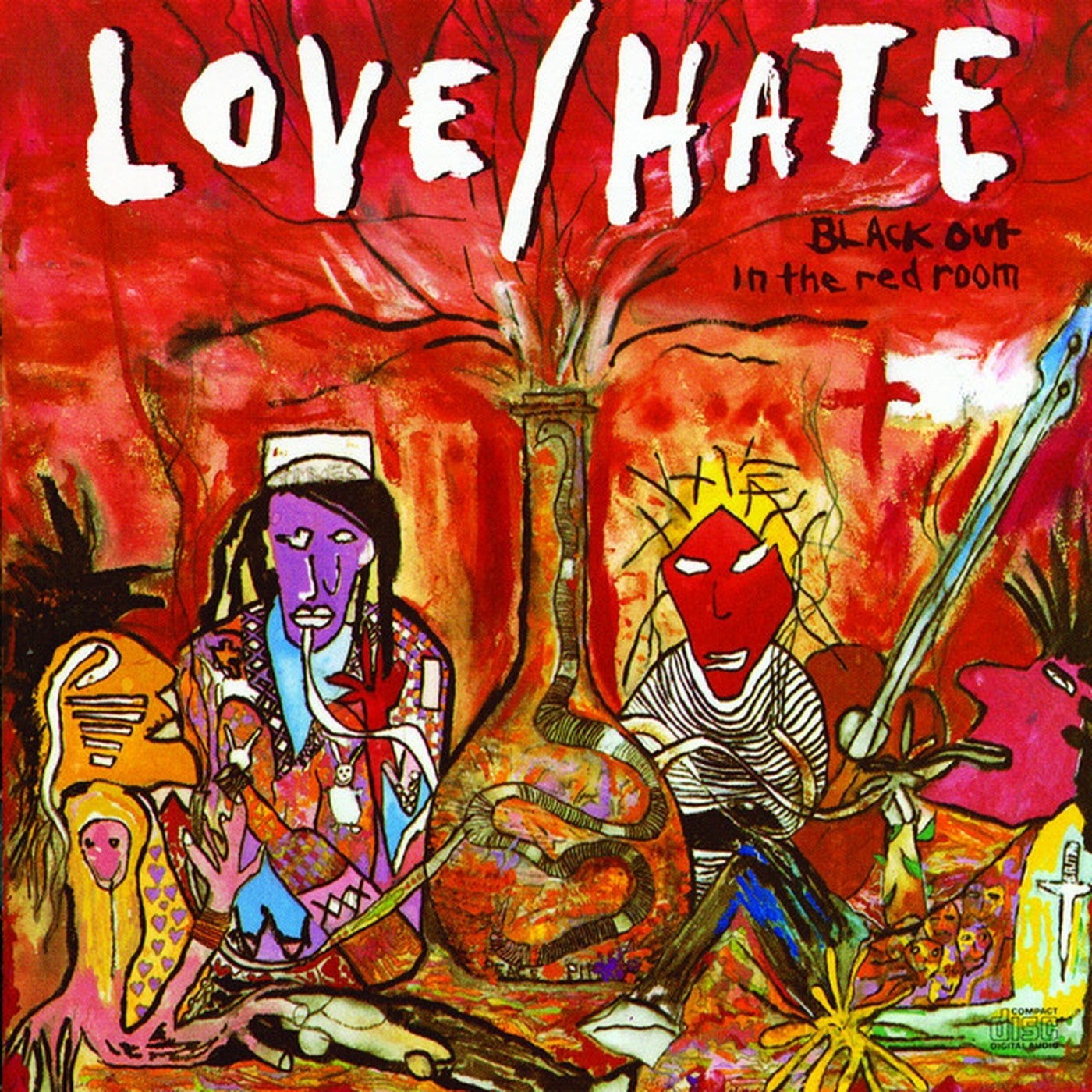
Love/Hate's 1990 debut Blackout in the Red Room stands as a criminally underappreciated masterpiece that captured the Sunset Strip scene with unfiltered honesty. Neil and Chris explore why this album might have sold like Led Zeppelin IV if it had dropped in 1987, examining the phenomenal musicianship, Jizzy Pearl's unique vocal style, and the soulful authenticity that distinguishes it from the hair metal crowd. The hosts discuss how the band's journalistic approach to songwriting documented the debauchery and vulnerability of young Hollywood rather than conforming to record label demands, creating something genuinely raw when everyone else was getting polished by producers like Mutt Lange.
What You'll Hear
This episode features multiple interviews including Jizzy Pearl's making-of retrospective where he describes banging out Tumbleweed in one breathless take, plus Headbangers Ball footage with co-owner of the Cathouse Ricky Rachtman. The discussion covers the LA scene's iconic venues (Whiskey a Go-Go, Rainbow Bar and Grill, Troubadour), Jizzy's incredible resume spanning Rat, LA Guns, Quiet Riot, and Adler's Appetite, and the compression wars of the early 90s when Blackout was recorded in the same One on One Studios as Metallica's Black Album. The hosts geek out over AI audio enhancement, vinyl mastering profiles, and why democracy might need a competency test.
Featured Tracks and Analysis
She's an Angel showcases Skid Rose's beautiful 12-string work and the playful musicianship that elevates the band beyond technical flash. Why Do You Think They Call It Dope delivers the raw street poetry that defined the album's unfiltered approach. Tumbleweed exemplifies Jizzy's one-take vocal performances dripping with soul over technical perfection. The hosts emphasize the exceptional bass work (slap and otherwise), crafted guitar parts that avoid Joe Satriani twiddles, and production that captured drunk energy rather than tortured perfection.
Tangential Gold
The conversation detours through Christmas singing strategies (holding the mic out for audience participation), Linkin Park's Emily Armstrong getting criticized for the same technique, broken microphone stands and repair cafes, horseshoe forging videos, knife making obsessions, watch repair YouTube rabbit holes, the Dull Men's Club on Facebook, melting 500 Coke cans into an aluminum guitar, sleeping habits affected by Black Doves versus watch repair videos, Noel Gallagher explaining why record labels prefer one obedient 18-year-old over chaotic bands, REM and AC/DC sailing through scene changes, and minidisc as the most inferior but lovable digital format.
Why This Matters
Blackout in the Red Room represents a crucial footnote in rock history, an album that would have been massive if timing had been different. Released in February 1990 as the LA scene was waning and grunge was emerging, Love/Hate created something authentic when authenticity wasn't yet valued the way polished excess was. The album stands alongside Appetite for Destruction as a genuine document of Sunset Strip life in the 80s, capturing vulnerability and debauchery without the veneer. As the hosts discover, iconic albums aren't just about sales figures but about scenes, moments, and the authentic expression of a time and place.
Perfect For
Fans of the LA scene who want to discover its hidden gems, musicians interested in the difference between soulful performance and technical perfection, vinyl collectors hunting for rare pressings, anyone fascinated by the shelf life of music scenes and how timing determines success, and listeners who appreciate when podcasters admit democracy only works when it agrees with them.
You can find us here:
- Blog: https://riffology.co
- All Episodes: https://podkit.riffology.co/podcast
- iHeart: https://www.iheart.com/podcast/1323-riffology-iconic-rock-alb-176865775
- Apple: https://podcasts.apple.com/gb/podcast/riffology-iconic-rock-albums-podcast/id1691556696
- Spotify: https://open.spotify.com/show/1LIU9mein7QMw346q20nyy
- X: https://x.com/RiffologyPod
- Bluesky: https://bsky.app/profile/riffology.co
- Facebook: https://www.facebook.com/riffology
- Email: info@riffology.co