Show Notes
When progressive metal found its perfect story and Queensrÿche created rock's most hauntingly theatrical mind game
Hosts: Neil & Chris
Duration: ~84 minutes
Release: 16 December 2024
Episode Description
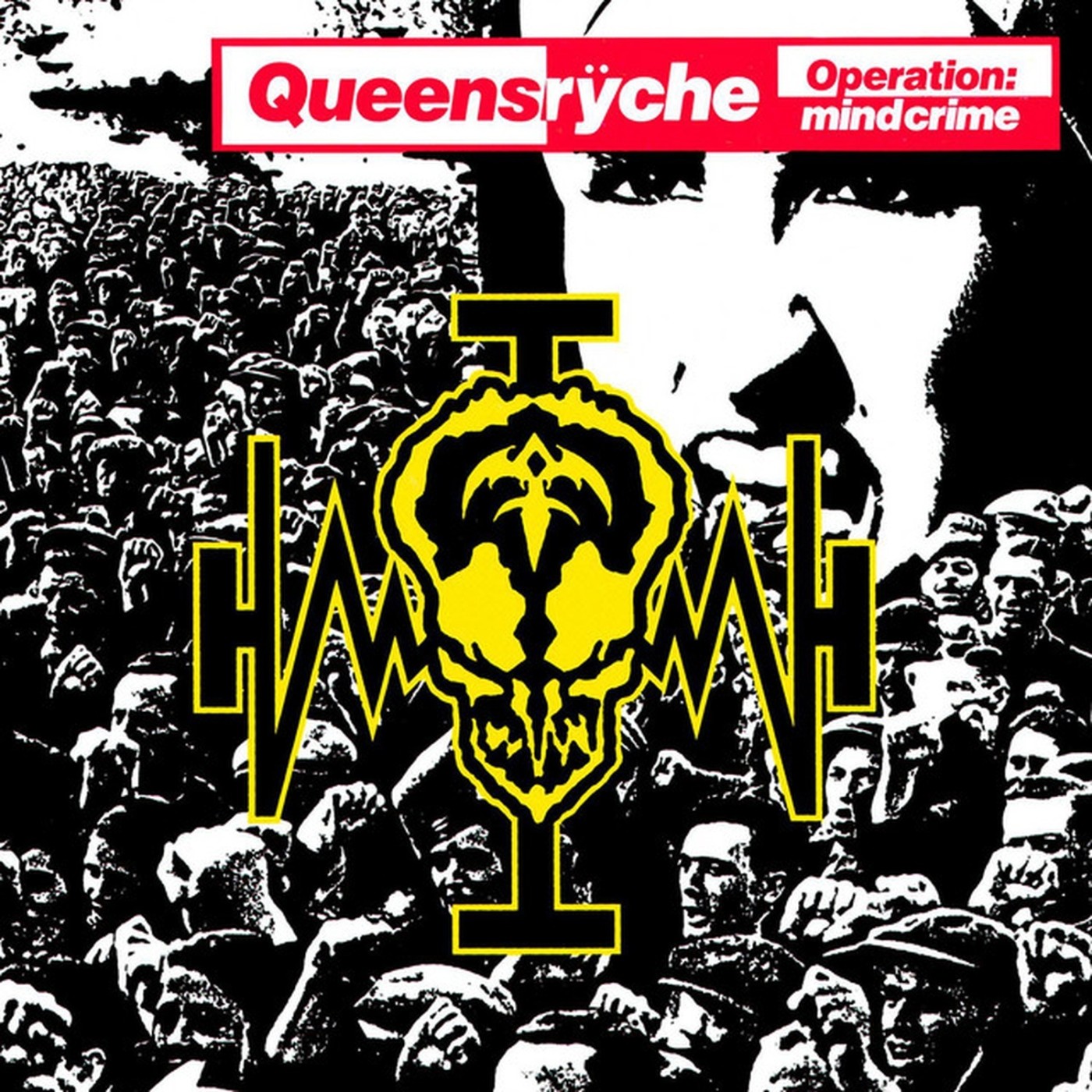
Operation Mindcrime arrived in 1988 when hair metal ruled stadiums and nobody was making concept albums. Queensrÿche ignored all that and built a political thriller about manipulation, murder, and mental institutions, wrapped in progressive metal that sounded like American musicians recording with British production sensibilities. Jeff Tate's theatrical vocals tell the story of Nikki, brainwashed assassin under revolutionary Dr. X's control, falling for Sister Mary before everything collapses into psychiatric horror. The album opens with that iconic hospital PA announcement (Dr. Davis telephone please, Dr. Blair Dr. Jay Hamilton) that's been licensed everywhere since, then flows into sixty minutes of narrative darkness that rewards headphones and demands your full attention, not background listening.
Chris bought this on vinyl for his favorite albums collection, borrowed it on tape decades ago (never gave it back), considers it the greatest concept album ever made, better than The Wall, picks it monthly off the rack at home. Neil needed the conversation about the story arc to unlock it, admits production sounds thin compared to nineties compression but turns brilliant when you crank the volume, recognizes it's not Hysteria with radio singles everywhere, requires commitment. Peter Collins produced it with dynamics and space, separating bass and vocals in that British tonality where drums aren't triggered to death, giving it Iron Maiden's Seventh Son production approach rather than Bob Rock's everything at eleven philosophy. Record label left them alone, Q Prime management told executives back off let them work, band was early twenties living in London flats recording The Warning with James Guthrie who'd just finished The Wall, watching Michael Kamen conduct orchestras at Abbey Road on the old analog console.
What You'll Hear
- Why the opening hospital announcement (Dr. Davis Dr. Blair Dr. Jay Hamilton) is licensed Foley appearing in Motley Crue's Terrapin Tinseltown, ER, every hospital scene ever, making you scream "that's from Queensryche" at your TV
- Jeff Tate and Chris DeGarmo creative partnership as the nucleus, similar to Dave Gilmour and Roger Waters dynamic, Tate writing story and lyrics, DeGarmo bringing Beatles appreciation, both toying with concept for years before it clicked
- MTV changing the game when Eyes of a Stranger video premiered, taking them from half million sales per album (debut, The Warning, Rage for Order all 500k) to million for Mindcrime, then three million for Empire with its massive nineties production
- The band's ethos of "no limits," refusing to box themselves into opinions, pursuing what's in their heads regardless of commercial pressure, making concept album during peak Cinderella Rat Poison Def Leppard hair metal stadium era
- Why this works for people who don't care about the concept, how guitar sounds, drum sounds, vocal sounds fit perfectly into 1988 landscape without being a departure, letting casual fans enjoy surface while obsessives dig into Nikki's psychiatric nightmare
- Neil's comparison to Jeff Buckley's Grace, how some albums just don't click until you put headphones on, turn them up, go inside them, stop treating them as background music, give them cognitive focus they demand
Featured Tracks & Analysis
Revolution Calling showcases the album's political fury with the lyric "I used to trust the media to tell me the truth, tell us the truth, but now I've seen the payoffs everywhere I look, who do you trust when everyone's a crook," proving media distrust isn't new zeitgeist but timeless corruption theme. I Don't Believe In Love strips Nikki's emotional devastation bare after Sister Mary's death, guitarwork demonstrating the dual layering they learned from Iron Maiden and Judas Priest record store import bin deep dives. Eyes of a Stranger closes the loop back to I Remember Now hospital opening, became the MTV breakthrough single, six minutes fifty four seconds of theatrical identity questioning perfect for Jeff Tate touring now as more theatrical production than 1988 stage show.
The production sits between eras, sounds thin next to Empire's 1990 compression but reveals incredible dynamics when loud, not super compressed, loses presence played quietly, needs either headphones or turned to eleven to hear the palette of sounds and weird time signatures across the hour. Chris DeGarmo's arpeggiated playing throughout sounds exactly like Dan Baker's style, drawing that rabid fanbase who'll hunt you down if you criticize anything vaguely Queensryche because the band's so lovely and engaged on socials, posting videos of eighty year old wheelchair mum at shows, always chatting to fans, building that protective community around them.
Tangential Gold
- Chris discovers it's actually For All Mankind he finished (not sure which season yet no spoilers), the Apple reimagining of Apollo missions he initially rejected in remaster remix mode of "you don't do that" before getting sucked into brilliance despite obsession with actual documentary source code of navigation computers
- Jackemans throat and chest lozenges described as cross between Fishermans Friends and Werther's Originals Foxs Glacier Mints manufactured Boston England not Boston America, zero sponsors yet but will talk about them weekly if money arrives
- The year 1988 movie context of Rain Man (Tom Cruise and Dustin Hoffman, Hans Zimmer score, character inspired by Kim Peek with savant syndrome) and Who Framed Roger Rabbit (Bob Hoskins, Christopher Lloyd baddie, amalgamating motion picture with animated characters technology newly available)
- Vinyl collecting addiction discussion where Chris accidentally buys loads claiming doesn't feel like crazy addiction, first pressing mid eighties Ride the Lightning Raining Blood Among the Living going for 150 to 200 quid but finding Appetite for Destruction first pressing eBay 35 quid cleaned up spot on, can't find Superstar Car Wash anywhere, 2017 reissue selling 500 pounds, Melancholy particular pressing with gatefold booklets was 350 but scored it cheaper
- The two bands Neil always wished would reunite: Skid Row with Sebastian Bach (just grow up get back together his swagger and attitude needed despite band not seeing it, nothing sounds like that original lineup), and Queensryche with Jeff Tate (wanted more Empire after the creative split, new stuff phenomenal but wanted that specific sound again)
- Goo Goo Dolls Superstar Car Wash as Neil's favorite guilty pleasure peak moment before they got more poppy commercial, early albums raw punky then progressively smoother, that one perfect, absolutely loves it, potential next week's album until Monday mind change happens
Why This Matters
This is progressive metal's storytelling zenith, proof concept albums could work in the hair metal era if you had vision and label trusted you enough to leave you alone. The themes of media corruption, political manipulation, religious control, identity collapse remain uncomfortable relevant thirty six years later, those Revolution Calling lyrics about trusting no one when everyone's a crook could have been written yesterday. Jeff Tate's theatrical vocal performance, the band's locked in unity before subsequent fractious fallouts and court cases about who owns Queensryche (Tate's quote "this wasn't how I envisioned ending my musical career with Queensryche, I'm just saddened by it, I'd like to not think about it anymore, move on, set that pain aside"), the production sitting between British dynamics and American power, all converged into something genuinely unprecedented that demands you go inside it rather than casually consume it.
The hour long fifteen track structure isn't filler between concept pieces but proper songs throughout, most five to six minutes, longest album Queensryche made with actual song lengths. It launched them from opening for Twisted Sister and touring Europe with Ronnie James Dio who looked after the green kids into MTV stardom when Eyes of a Stranger premiered, though the real explosion came with Empire's three million sales and Silent Lucidity pushing them into mainstream. But Mindcrime is where the magic sits, where they were young enough to be fearless, skilled enough to execute the vision, supported enough by Q Prime management restructuring their deals, believing enough in no limits philosophy to ignore every commercial pressure. Never been used in media or TV despite that iconic hospital intro appearing everywhere separately, the concept too complete to cherry pick, the narrative too dark to soundtrack anything except itself.
Perfect for
Perfect for: Anyone who thinks The Wall is overrated and wants the better concept album, fans of Iron Maiden's Seventh Son era British production with American playing, people who loved Empire and never went back to find where the magic started, Dan Baker disciples who recognize that arpeggiated guitar style instantly, vinyl collectors hunting the unobtainable, headphone listeners who commit to albums rather than background shuffle, progressive metal fans who want odd time signatures and theatrical storytelling without sacrificing hooks, anyone who borrowed a tape in 1988 and never gave it back, people arguing media corruption is a new problem when Queensryche called it in Revolution Calling thirty six years ago, fans who appreciate bands that engage on socials and look after eighty year old wheelchair mums at shows, curious minds wondering what happened between half metal eighties and grunge nineties explosion, students of the fractious band breakup wanting to understand what was lost when that creative unit shattered, believers that some albums simply demand you turn off distractions put on headphones crank the volume and go properly inside them.
You can find us here:
- Blog: https://riffology.co
- All Episodes: https://podkit.riffology.co/podcast
- iHeart: https://www.iheart.com/podcast/1323-riffology-iconic-rock-alb-176865775
- Apple: https://podcasts.apple.com/gb/podcast/riffology-iconic-rock-albums-podcast/id1691556696
- Spotify: https://open.spotify.com/show/1LIU9mein7QMw346q20nyy
- X: https://x.com/RiffologyPod
- Bluesky: https://bsky.app/profile/riffology.co
- Facebook: https://www.facebook.com/riffology
- Email: info@riffology.co