Show Notes
When five Sheffield lads spent £4.5 million on sonic perfection and created Star Wars for the ears
Hosts: Neil & Chris
Duration: ~89 minutes
Release: 9 December 2024
Episode Description
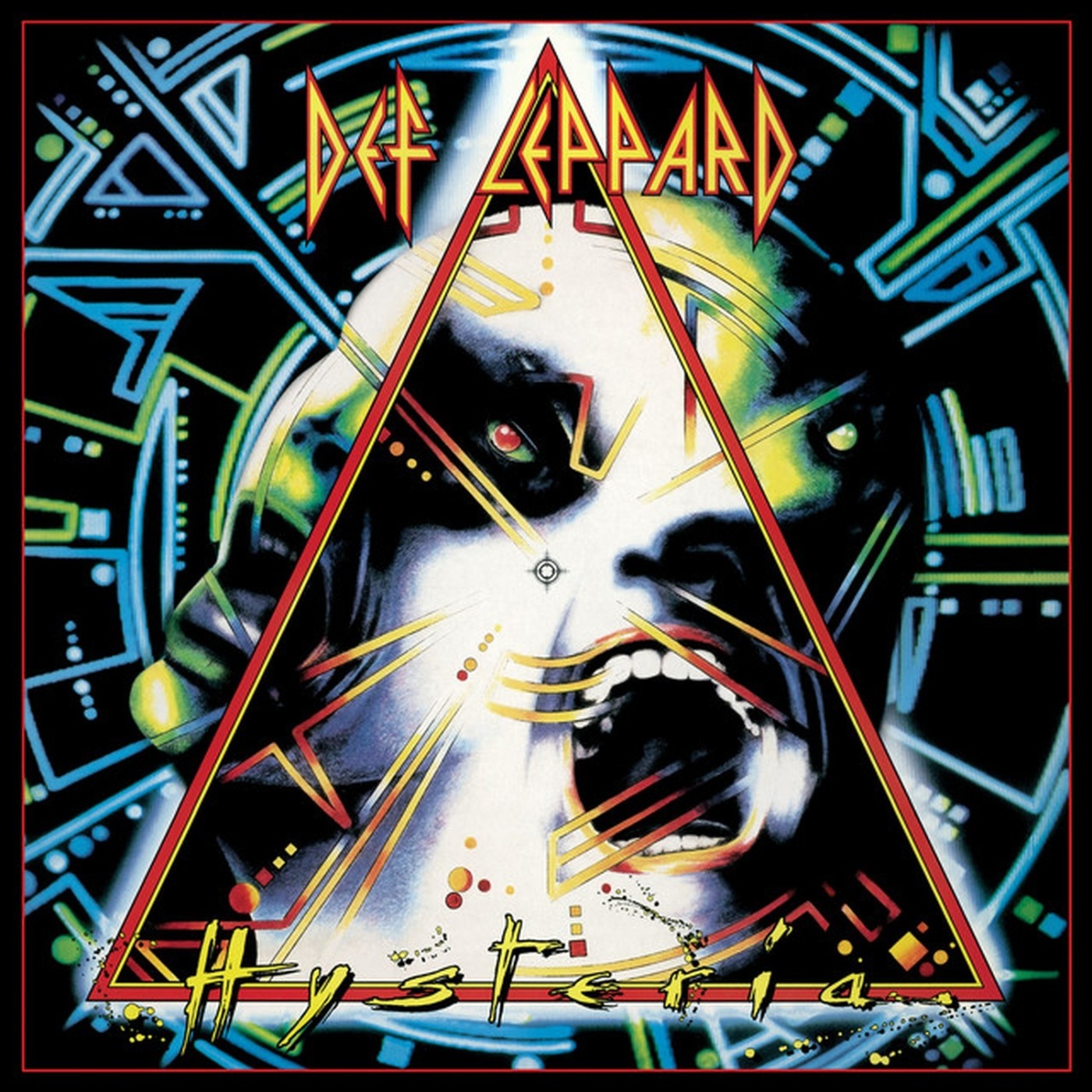
In 1987, Def Leppard released an album so meticulously crafted, so impossibly polished, that it changed rock production forever. Hysteria took three years to make, cost £4.5 million (when the band was already £1 million in debt from Pyromania), and demanded note-by-note perfection from Sheffield lads who just wanted to write great pop-rock songs. The result? Seven hit singles, 25 million copies sold, and a sonic template every AOR band spent the next decade trying to copy.
Neil remembers hearing "Animal" on the radio at 13 and falling completely in love, while Chris discovers the backstory of Mutt Lange's relentless pursuit of perfection. The episode explores how Rick Allen relearned drums with one arm using his left foot to replace his missing limb, how the Fairlight sampler created that impossibly consistent snare sound, and why Joe Elliott got into a public spat with Bryan Adams over who was copying whom. From Dublin writing sessions to Paris re-recordings to backing vocals stacked like a vocal orchestra, Hysteria represents both the peak of 80s rock ambition and the sound that grunge would violently reject just five years later.
What You'll Hear:
- Mutt Lange's studio philosophy: "Don't fall in love with what you bring, we're going to change it," pushing Phil Collen to play better than he thought possible
- The Fairlight sampler technology creating wardrobe-sized machines that triggered drum samples note by note, achieving a precision that defined the decade
- "Animal" recorded with vocals in Ireland, then the entire backing track re-recorded in Paris because it "felt wrong"
- The radio DJ who declared 10 out of 12 songs worthy of immediate airplay, calling the album "a banquet of great music"
- How the band consciously aimed for "a rock version of Thriller" with seven singles, blending R&B, rap meter (listen to "Pour Some Sugar On Me"), and Queen-esque vocal harmonies because every member could sing
- Rick Allen's incredible recovery story, practicing drum patterns with foam on his foot while still in hospital, learning to mirror left-hand patterns with his left foot
Featured Tracks & Analysis:
"Rocket" showcases the backing vocal approach that became the album's signature, with harmonies treated as a third dimension alongside guitars and rhythm. "Animal" demonstrates their willingness to scrap entire recordings if the vibe wasn't perfect. "Gods of War" stands as the album's dark outlier, featuring Margaret Thatcher and Ronald Reagan samples, weird time signatures, and helicopter-like flanged drums. Phil Collen describes the "Star Wars for the ears" concept: creating sonic depth through layered vocals that no other rock band had attempted to that extreme. The production philosophy extended to isolating players, recording nearly note-by-note to achieve crystalline clarity, then layering it all back together into something that somehow retained its rock energy despite being constructed like a Swiss watch.
Tangential Gold:
- Chris's university welding job, dangling upside down in quarries on ropes with gas bottles and cigarettes everywhere, no fluorescent tabards in sight, just pure 1980s workplace chaos
- The advent calendar chocolate heist at Sainsbury's post-Christmas sales, smashing three calendars for a home stash because "I'm not especially religious"
- Launching a chicken into a children's Wendy house at a birthday party, creating "hysteria" (the hosts dying with laughter, the kids requiring therapy)
- Storm Dara named after Dara O'Briain, the UK/Ireland Met Office tag-team naming system finally delivering comedy gold
- Joe Elliott's Planet Rock show introducing Chris to 70s bands like Sweet and Cheap Trick, the passion erupting when discussing old-school rock versus PR obligations
Why This Matters:
Hysteria represents the absolute zenith of 80s rock ambition, the moment when technology, talent, and obsessive perfectionism converged to create something genuinely unprecedented. After Pyromania's 12 million copies, every band tried to sound like Def Leppard. After Hysteria's 25 million, everyone tried again, harder. Bryan Adams, Aerosmith, the entire AOR movement chased this uber-polished sound until grunge arrived and said "actually, we're not even going to tune the guitars." The album's legacy is paradoxical: it created a production standard so impossibly high that it inadvertently triggered the raw, sloppy backlash that killed it. But here's the thing, it's still extraordinary. Seven singles that all worked. Eighty minutes of music with no filler. A one-armed drummer playing patterns that seemed impossible. And the uncomfortable truth that this level of investment (£4.5 million, three years) can never happen again because streaming economics make it financially insane. Hysteria is a monument to an extinct species: the blockbuster rock album made with unlimited ambition and just enough budget to realize it.
Perfect for: Anyone who fell in love with rock radio in the late 80s and still knows every word, drummers who need inspiration about overcoming the impossible, production nerds fascinated by pre-digital perfectionism, people who argue about whether 1986 or 1987 was the greatest rock year, Sheffield pride enthusiasts, fans who watched Def Leppard play the album end-to-end on the anniversary tour and realized it flows perfectly without rearrangement, Mutt Lange disciples, those curious why grunge felt so violently necessary after this level of polish, and collectors wondering if this was the last time a label would spend £4.5 million on actual recording rather than marketing.
You can find us here:
- Blog: https://riffology.co
- All Episodes: https://podkit.riffology.co/podcast
- iHeart: https://www.iheart.com/podcast/1323-riffology-iconic-rock-alb-176865775
- Apple: https://podcasts.apple.com/gb/podcast/riffology-iconic-rock-albums-podcast/id1691556696
- Spotify: https://open.spotify.com/show/1LIU9mein7QMw346q20nyy
- X: https://x.com/RiffologyPod
- Bluesky: https://bsky.app/profile/riffology.co
- Facebook: https://www.facebook.com/riffology
- Email: info@riffology.co