Show Notes
When three noisy kids rewired the charts
Hosts: Neil & Chris
Duration: ~71 minutes
Release: 21 October 2024
Episode Description
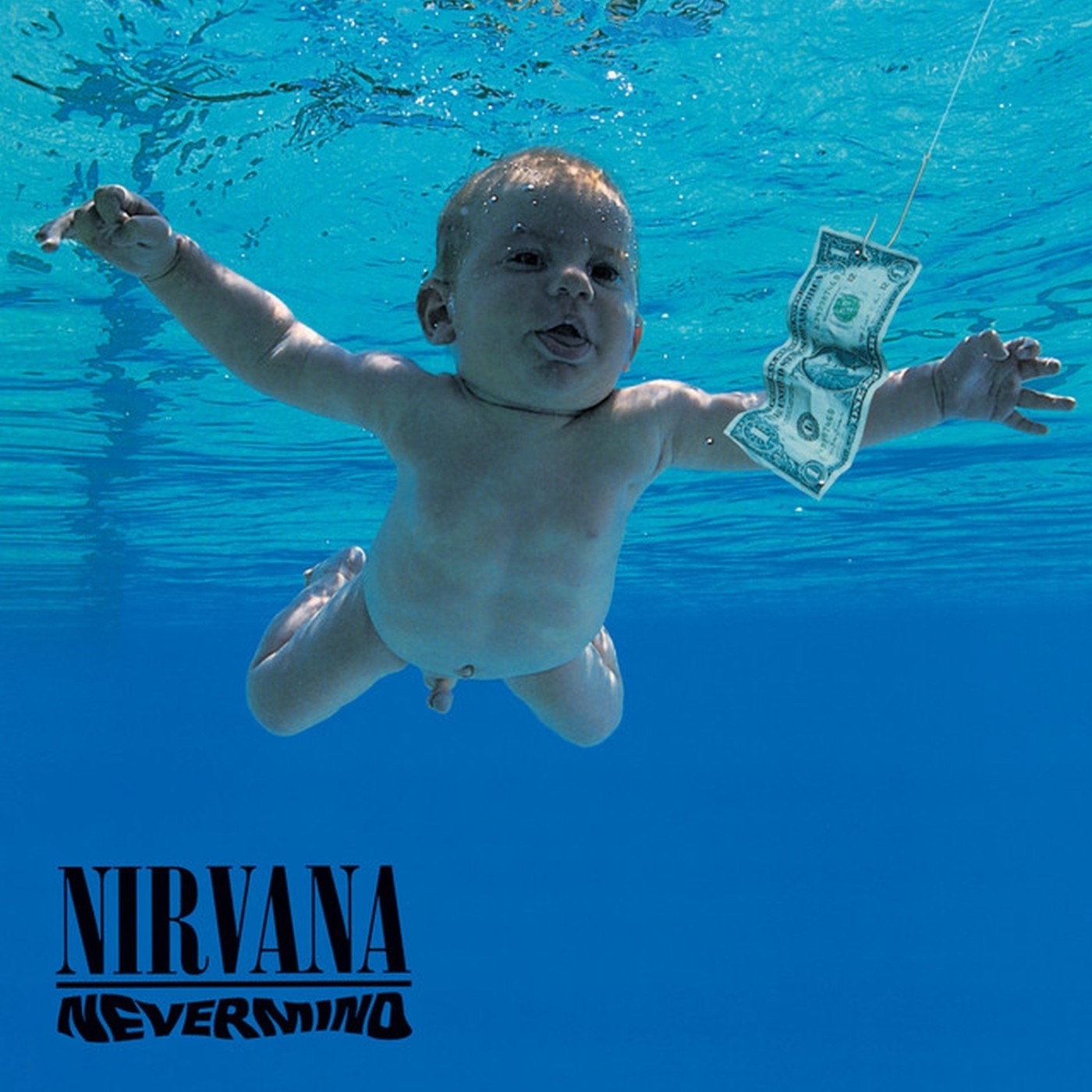
What do you get when a band who grew up on punk, Pixies and Beatles melodies plug into a Neve desk and accidentally knock Michael Jackson off the top of the charts? In this episode of The Monster Shop, Neil and Chris dive into Nirvana's Nevermind, the 1991 album that dragged grunge out of the clubs and into every living room with a TV and a CD player.
Across the episode they trace how three scruffy lads from Seattle ended up making a record that sounds closer to a pop album with very heavy guitars than a lo fi punk statement, and why that still embarrasses Kurt Cobain in his own quotes. They lean on producer Butch Vig's interviews, the band's smart but chaotic press appearances and their own teenage memories to piece together how Nevermind was written, recorded at Sound City and then turned into a cultural earthquake once Smells Like Teen Spirit hit MTV.
What You'll Hear:
- Chris's croaky deep voice, school talent show Barry White stories and the usual pre album detours before Nirvana even arrive.
- How Dave Grohl walked into the band as the “best drummer in the world”, brought disco and Gap Band fills with him, and ended up writing drum hooks all over Nevermind.
- Why Butch Vig's production at Sound City, that customised Neve 8028 desk and a handful of Neumann and Shure mics made this the opposite of a muddy grunge record.
- Deep dives into Rick Beato's conversations with Butch, from rehearsal tapes through to tracking Lithium to a click and capturing Kurt's rage on Endless Nameless.
- The commercial explosion, from Bleach's tiny budget to Nevermind's 30 million sales, knocking Dangerous off number one and becoming the poster child for a whole Seattle wave.
- How the album cover's water birth idea, lawsuit drama and constant reuse in films and TV fed into Nevermind's strange afterlife.
Featured Tracks & Analysis:
Neil and Chris spend time with the obvious giants, “Smells Like Teen Spirit”, “Come As You Are”, “Lithium” and “Breed”, pulling apart how simple power chord riffs, bass led melodies and Dave's instantly recognisable drum parts add up to pure pop songcraft in noisy clothing. They talk about the way arrangements leave space for each instrument, how the bass tone and fuzz sit in the mix, and why the drum breaks on Teen Spirit and Breed are as hooky as any chorus.
They also zoom in on “Polly” and “Something in the Way”, using them to talk about Nirvana's darker lyrical territory, the real life horror story behind Polly and the way those acoustic recordings let you hear Sound City's room and Butch's mic choices. From MTV Unplugged versions to live Wishkah takes, they explore how these songs morph across formats while still feeling like the same uneasy lullabies.
Tangential Gold:
- Detours into Alexa, deep voiced newsreader Neil Nunez and teenage talent show disasters.
- Producer geek outs about Rupert Neve turning up with a screwdriver, customising consoles and why Dave Grohl now owns the Sound City desk.
- Side quests through Rick Beato's YouTube channel, At the Drive In's out of tune guitars and Scott Burns making death metal sound huge.
- Comparisons with Metallica's Black Album, Faith No More and how bands wrestle with embarrassment over their own big hits.
- Thumb injury updates, coughing fits, shipping forecast jokes and the ever growing spreadsheet that now picks anniversary albums like Megadeth's Youthanasia.
Why This Matters:
Nevermind is more than a handful of overplayed singles, it is the moment major labels, MTV and DIY punk values collided in one record that cost $65,000 and reshaped 90s guitar music. The episode shows how a supposedly sloppy grunge band were actually hyper rehearsed, obsessed with hooks and working with a producer who cared about capturing their character rather than sanding it off.
For Neil and Chris it is also a way to talk about how investment, studios and producers shape what we hear, why you are unlikely to see another Nevermind in the streaming era, and how a record this dark, catchy and conflicted can still feel fresh more than thirty years later.
Perfect for: Listeners who wore out their Nevermind CD, newer fans who only know the big singles, studio nerds who love Neve desks and drum talk, and anyone curious how three noisy kids ended up writing pop hooks that changed rock history.
You can find us here:
- Blog: https://riffology.co
- All Episodes: https://podkit.riffology.co/podcast
- iHeart: https://www.iheart.com/podcast/1323-riffology-iconic-rock-alb-176865775
- Apple: https://podcasts.apple.com/gb/podcast/riffology-iconic-rock-albums-podcast/id1691556696
- Spotify: https://open.spotify.com/show/1LIU9mein7QMw346q20nyy
- X: https://x.com/RiffologyPod
- Bluesky: https://bsky.app/profile/riffology.co
- Facebook: https://www.facebook.com/riffology
- Email: info@riffology.co