Show Notes
When bubblegum rebellion storms the suburbs
Hosts: Neil & Chris
Duration: ~66 minutes
Release: 14 October 2024
Episode Description
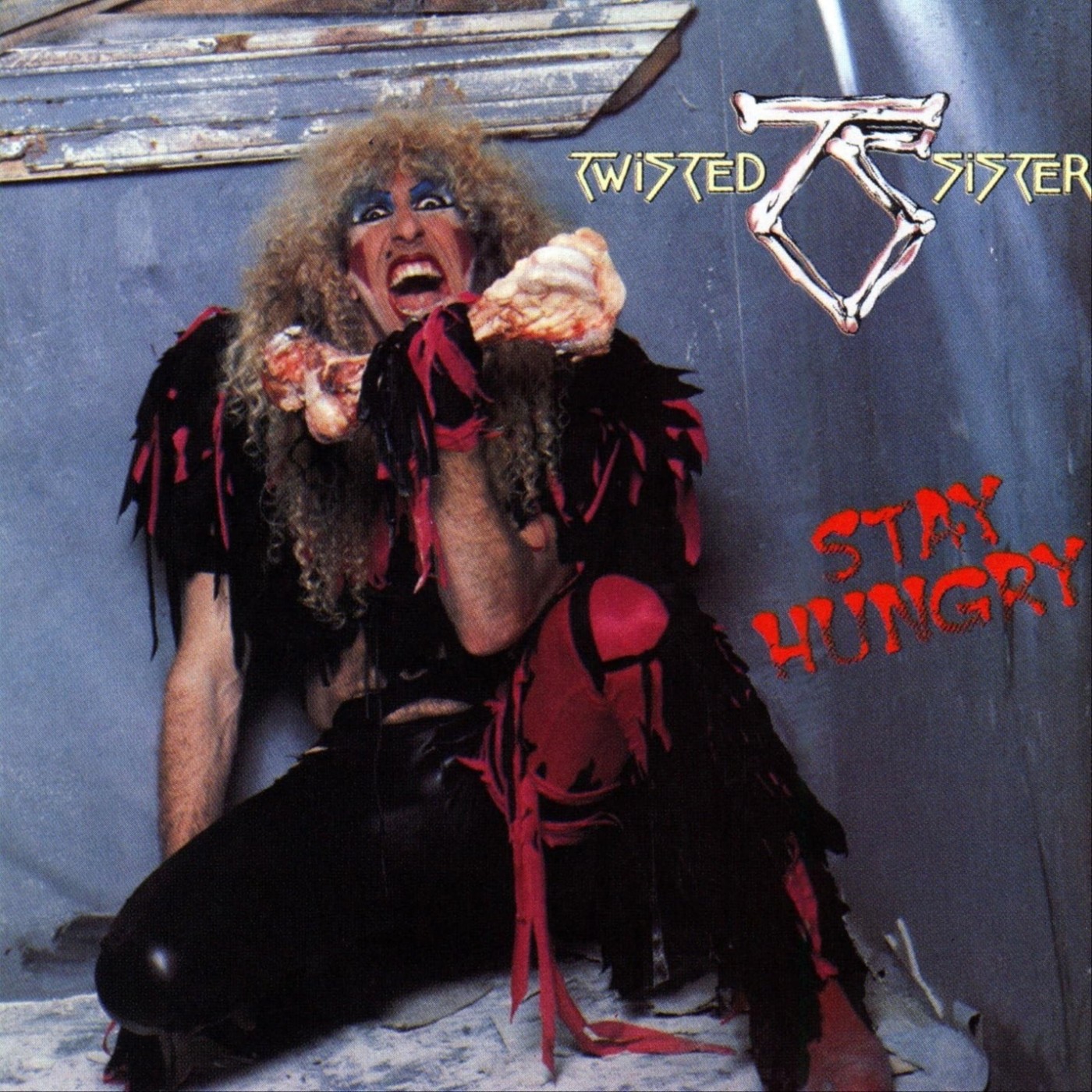
What happens when an underground New York bar band in fright wigs and war paint accidentally becomes the cartoon face of 80s moral panic? In this episode of The Monster Shop, Neil and Chris dive into Twisted Sister's 1984 breakout Stay Hungry, the record that turned Dee Snider from club lifer into daytime TV villain, MTV hero and unexpected First Amendment champion.
Across a very metal hour, they trace how this snarling, hook stuffed album sits right at the point where punky bar band grit met glossy hair metal, and how songs that sound like kids TV theme tunes somehow ended up on the PMRC's infamous Filthy Fifteen list. Along the way they dig into Dee's songwriting, the band's image and why, even if you only know the big singles from 80s music TV, there is more going on under the greasepaint.
What You'll Hear:
- Neil's mandolin disaster and thumb injury detour before the music even starts.
- The 1984 metal landscape and how Stay Hungry rubbed shoulders with Van Halen, Iron Maiden, Metallica and the Scorpions.
- The PMRC, the Filthy Fifteen and why “We're Not Gonna Take It” was branded violent when its lyrics are basically school of rock pep talk.
- How Dee Snider walked into a Senate hearing in full denim and hair, and calmly dismantled Tipper Gore's lyrical accusations line by line.
- Why the band later re recorded the album as Still Hungry, and what happens when you A B the original ballad “The Price” against the 2004 version.
- The long running feud between Dee and producer Tom Werman over songwriting, sonics and who really made Twisted Sister a multi million selling band.
Featured Tracks & Analysis:
Neil and Chris spend time with the big three, “Stay Hungry”, “We're Not Gonna Take It” and “I Wanna Rock”, pulling apart why these choruses work so well and how the riffs, call and response backing vocals and almost punk drumming keep everything bar band scrappy rather than slick. They look at “The Price” as the band's proper power ballad moment, talking about its chord changes, key shifts between the original and re recording, and why that slightly brittle 1984 mix gives it a tension the later, chunkier version smooths away.
They also talk through the album's deeper cuts and the awkward lyrics that have not aged as well, from gleefully tasteless horror imagery to the kind of cartoon machismo that only made sense in the middle of the MTV boom. Rather than pretending it is all timeless, they place the record firmly in its era, weighing up performance, groove and guitar work against the more wince inducing lines, and asking whether the attitude still lands in 2024.
Tangential Gold:
- A full detour into mandolins, kitchen gadgets and why you should never slice carrots while daydreaming about work.
- PMRC nostalgia, from Christians Against Masturbation parody videos to reading out the Filthy Fifteen like the greatest compilation album never released.
- Remaster rants, comparing 25th and 40th anniversary editions, out of print original CDs and why streaming services keep yanking classic mixes.
- Producer gossip, as Tom Werman defends his pop leaning sound, lists his work with Cheap Trick, Motley Crue and Poison, and fires back at Dee's public criticisms.
- Side quests into Saxon covers, Poison memories, metal musicianship snobbery and whether being technically flash actually matters if the songs just work.
Why This Matters:
Stay Hungry is not just a couple of novelty videos and a parental advisory sticker, it is a snapshot of the moment metal, MTV and politics all crashed into each other. By putting the album back in its 1984 context, the episode shows how one record can sell three and a half million copies, fuel a Senate hearing and still leave its own singer conflicted enough to remake it from scratch twenty years later.
For Neil and Chris it is also a way to talk about who gets credit for success, how much producers shape the records we love, and why scruffy, chant along anthems often do more cultural work than “serious” art. Behind the wigs, striped shirts and slapstick videos there is a band that fought its way out of the clubs, took a public kicking from moral crusaders and still turned teenage frustration into something joyous.
Perfect for: Anyone who grew up seeing Dee Snider on TV but never heard the full album, fans of 80s metal who enjoy producer gossip and remaster nerdery, and listeners who like their rock history mixed with detours about kitchen injuries, copyright law and the strange afterlife of big hair records in the streaming age.
You can find us here:
- Blog: https://riffology.co
- All Episodes: https://podkit.riffology.co/podcast
- iHeart: https://www.iheart.com/podcast/1323-riffology-iconic-rock-alb-176865775
- Apple: https://podcasts.apple.com/gb/podcast/riffology-iconic-rock-albums-podcast/id1691556696
- Spotify: https://open.spotify.com/show/1LIU9mein7QMw346q20nyy
- X: https://x.com/RiffologyPod
- Bluesky: https://bsky.app/profile/riffology.co
- Facebook: https://www.facebook.com/riffology
- Email: info@riffology.co