Show Notes
When hair metal gets sober and serious
Hosts: Neil & Chris
Duration: ~64 minutes
Release: 26 August 2024
Episode Description
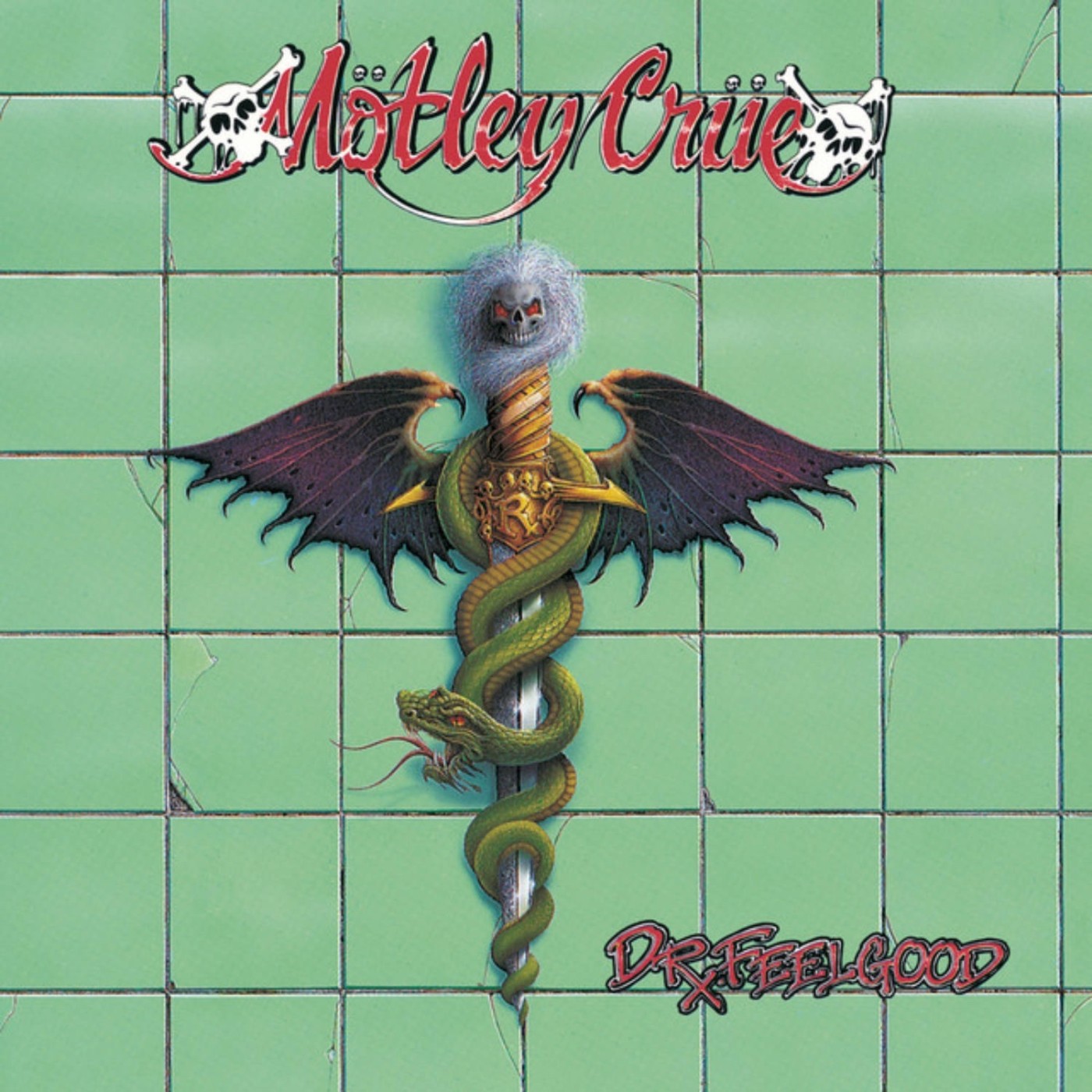
What happens when one of the most notoriously chaotic bands on the planet decides to clean up, move to rainy Vancouver and treat an album like a full time job? In this episode, Neil and Chris dive into Mötley Crüe's Dr. Feelgood, the record that turned a drug soaked touring circus into a laser focused studio gang and, somehow, their biggest ever success.
They trace the path from booze soaked eighties excess and near death experiences to rehab, relocation and six month lock in sessions with producer Bob Rock. Along the way you will hear how pinball machines, endless rain and a shared apartment block helped pull the band back together, why this album sounded so huge on tape, and how it managed to hit number one just as grunge was looming on the horizon.
What You'll Hear:
- Personal memories of discovering Dr. Feelgood on CD and soundtracking student weekends, common rooms and late nights.
- The chaos that led up to the album, from fatal car crashes and overdoses to the realisation that if they did not stop, they might not survive.
- How moving to Vancouver, living in the same building and treating the band like a day job turned four hedonists back into a tight gang.
- Bob Rock's old school perfectionism, his tape machines, Neve desk and ruthless ear for tiny mistakes, and how that discipline reshaped the band.
- The star studded backing vocal cameos from Steven Tyler, Bryan Adams, Cheap Trick and Skid Row that hide in the choruses.
- The bittersweet aftermath, as grunge crashed in, line ups shifted and legal battles over tapes, miming and royalties followed.
Featured Tracks & Analysis:
“Kickstart My Heart” gets a deep dive, from Nikki Sixx's napkin scribbles and punky first idea through to Mick Mars's screaming intro that completely reframed the song. The hosts unpack how Tommy Lee's drumming and Bob Rock's production turn a scrappy riff into an arena anthem, and why that opening lick probably deserved its own writing credit.
The title track, “Dr. Feelgood”, becomes a case study in sleazy, tightly drilled hard rock, with Steven Tyler's backing vocals hidden in the mix and those huge gang shouts built the slow way on tape. “Same Ol' Situation” and “Time for Change” round things out, the former as a singalong snapshot of late eighties excess, the latter as a surprisingly earnest, choir like closer helped by the Skid Row crew.
Tangential Gold:
- Bloodstock festival tales, sunburn, Guinness in ridiculous heat and the family feel of smaller metal festivals compared to Download.
- The infamous Ozzy Osbourne ant story, peeing on the pavement and his own deadpan insistence that he remembers none of it.
- Hair metal documentaries, out of print books that somehow cost nine pounds on eBay and hopes that new TV versions do not sanitise the madness.
- Cramp, late night recording sessions, cycling aches and the very middle aged realities behind talking about eighties decadence.
- CD nostalgia, resisting endless remasters and the joy of hearing the exact 1989 or 1992 versions you first fell in love with.
Why This Matters:
Dr. Feelgood captures a tipping point, the last moment when glossy Los Angeles hard rock could top the Billboard chart before Seattle rewired the rules. It shows what happens when a band known more for headlines than tight playing submits to a demanding producer, embraces sobriety and discovers that discipline can make the riffs hit even harder.
For Neil and Chris, it is also a time capsule of student life, road trips and the strange comfort of albums you spin ten times a night. Hearing it again with fresh ears, interviews and hindsight turns a supposedly shallow hair metal classic into a study in craft, survival and what it costs to keep a band together for decades.
Perfect for: Fans who lived through the era of Aqua Net and MTV, listeners curious about how Bob Rock era production really worked on tape, and anyone who wants to understand why this glossy, sleazy, surprisingly disciplined record still matters long after grunge tried to kill the party.
You can find us here:
- Blog: https://riffology.co
- All Episodes: https://podkit.riffology.co/podcast
- iHeart: https://www.iheart.com/podcast/1323-riffology-iconic-rock-alb-176865775
- Apple: https://podcasts.apple.com/gb/podcast/riffology-iconic-rock-albums-podcast/id1691556696
- Spotify: https://open.spotify.com/show/1LIU9mein7QMw346q20nyy
- X: https://x.com/RiffologyPod
- Bluesky: https://bsky.app/profile/riffology.co
- Facebook: https://www.facebook.com/riffology
- Email: info@riffology.co