Show Notes
When heavy metal myths meet GCSE revision
Hosts: Neil & Liam
Duration: ~60 minutes
Release: 19 August 2024
Episode Description
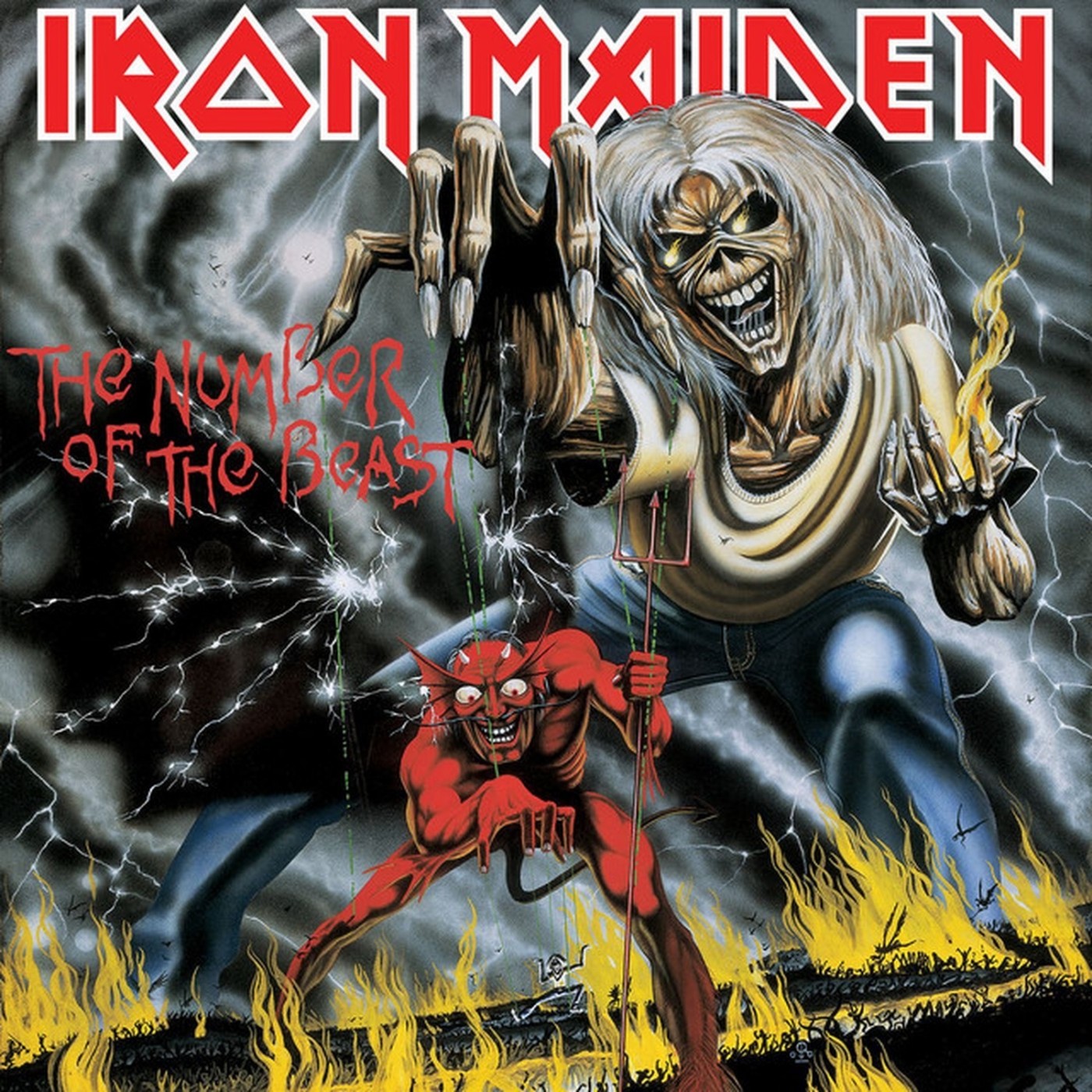
What happens when a scruffy GCSE revision soundtrack, a cult TV show and a supposedly satanic metal anthem collide? In this episode, Neil and Liam dive deep into Iron Maiden's The Number of the Beast, the 1982 game‑changer that turned Bruce Dickinson into a metal folk hero and dragged Eddie into living‑room infamy. From bedroom speakers shaking the walls to festival fields and old cars with eight‑track stereos, this one is as personal as it is nerdy.
Along the way they unpick why this album still feels so alive: dynamic, punchy, and nothing like the brickwalled rock you hear today. You'll hear how a nightmare, a Bible obsession and a late‑night TV binge fed into Steve Harris's writing, why the infamous spoken‑word intro is not Vincent Price, and how Bruce ended up yelling his lungs out in a stripped‑out kitchen. If this record was your gateway to Maiden, you'll feel seen.
What You'll Hear
- The story behind that Prisoner intro, from Portmeirion to Nico McBrain hamming it up on stage.
- How Bruce's arrival, Olympian‑level work ethic and pilot‑slash‑polymath life reshaped Maiden's sound and image.
- Steve Harris writing on guitar, Adrian Smith's perfectionism and why these riffs still hit harder than most modern metal.
- Tape, ancient desks and three‑person fader‑grabs: the gloriously manual way this album was recorded and mixed.
- Why the live version of “Run to the Hills” became the definitive take for one host, and how live albums can rewrite studio history.
- US record burnings, Revelation‑fuelled panic and why the band always saw this stuff as theatrical fun rather than genuine devil worship.
Featured Tracks & Analysis
The title track, “The Number of the Beast”, takes centre stage as the guys walk through its nightmare‑born lyrics, Barry Clayton's thunderous voiceover and the way the song explodes once the band kicks in. They tease apart how the arrangement keeps ratcheting up tension while still leaving room for those soaring Bruce vocals to breathe.
From there it's into the galloping urgency of “Run to the Hills” and why a certain Live After Death performance became the version burned into memory. “Hallowed Be Thy Name” gets its due as a last‑minute addition that somehow became a career‑defining epic, while “The Prisoner” ties TV obsession, dialogue samples and Maiden's sense of humour into one perfect, defiant opener.
Tangential Gold
- Portmeirion pilgrimages, Festival Number 6 memories and how a Welsh resort accidentally shaped a metal classic.
- Barry Island, Gavin & Stacey and the very British geography behind the band's TV and seaside references.
- The Bible as a three‑book saga with Revelation as the accidental heavy metal volume.
- Sample‑rate disasters on a Pink Floyd episode, eight‑track nostalgia and the joys of learning production the hard way.
- Building chart‑scraping code, AI‑generated “fact of the day” art and the nerdy machinery behind the Riffology blog and feeds.
Why This Matters
The Number of the Beast isn't just another classic rock record; it's the moment Iron Maiden levelled up from cult NWOBHM heroes to global headliners. The combination of Bruce's theatrical voice, Steve's storytelling, Derek Riggs's endlessly referential artwork and Martin Birch's punchy, dynamic production created a blueprint that countless bands still chase. It proved heavy music could be clever, cinematic and oddly good‑humoured, even while freaking out parents and pastors.
For Neil and Liam, this album is a time machine: to exam‑season bedrooms, first cars and those formative gigs where a band finally clicks in your bones. Hearing it again, with all its imperfections and analog edges, is a reminder that magic often happens when technology is clunky, budgets are tight and everyone in the room is slightly overexcited.
Perfect for:
Fans who grew up tracing Eddie's every detail on worn‑out LP sleeves, metalheads who love the intersection of theology, theatrics and riffs, and curious listeners who want to understand why one noisy 1982 album still echoes through festivals, playlists and bedroom speakers today.
You can find us here:
- Blog: https://riffology.co
- All Episodes: https://podkit.riffology.co/podcast
- iHeart: https://www.iheart.com/podcast/1323-riffology-iconic-rock-alb-176865775
- Apple: https://podcasts.apple.com/gb/podcast/riffology-iconic-rock-albums-podcast/id1691556696
- Spotify: https://open.spotify.com/show/1LIU9mein7QMw346q20nyy
- X: https://x.com/RiffologyPod
- Bluesky: https://bsky.app/profile/riffology.co
- Facebook: https://www.facebook.com/riffology
- Email: info@riffology.co