Show Notes
When pain, pop hooks and static collide
Hosts: Neil & Chris
Duration: ~52 minutes
Release: 22 July 2024
Episode Description
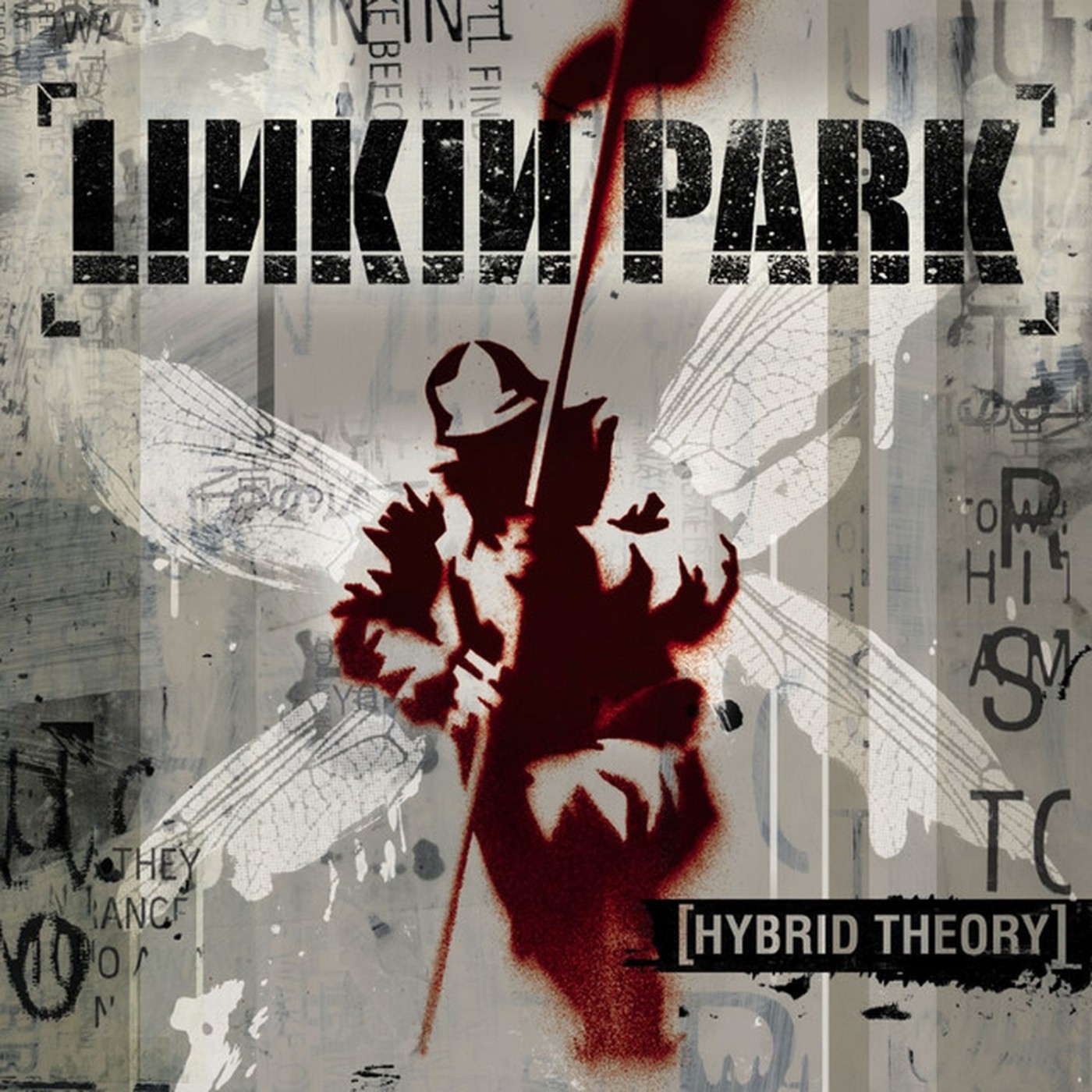
In this episode of The Monster Shop, Neil and Chris dive into Linkin Park's era-defining debut, Hybrid Theory, on the anniversary of Chester Bennington's death. They recall the first time the record blindsided them in car stereos and nightclubs, how it seemed to arrive from nowhere, and why it instantly felt like a new language, fusing rap, metal, turntablism and cutting-edge digital production into something more than just nu metal.
Across the conversation they unpack how the band's unlikely melting pot of influences, from Korn, Deftones and Nine Inch Nails to Cypress Hill and The Prodigy, became a truly mainstream phenomenon. Hybrid Theory sold tens of millions of copies, yet still spoke directly to outsiders wrestling with paranoia, self-doubt and not feeling good enough, a tension that feels even heavier when framed against Chester's depression and his close bond with Chris Cornell.
What You'll Hear:
- Personal memories of first hearing Hybrid Theory in a mate's car and needing to stop and write the band's name down.
- A breakdown of how Linkin Park bridged the gap between grebs and popular kids, packing clubs in a way Korn and Limp Bizkit never quite managed.
- Discussion of the vocal dynamic between Chester's soaring, almost boy-band melodies and Mike Shinoda's precise rapping, and why that contrast felt revolutionary.
- Streaming and sales stats that show just how massive Hybrid Theory, Meteora and Minutes to Midnight were compared with their peers.
- Production talk around thick guitars, subby low end and those icy keyboards that made tracks like “Papercut,” “Crawling” and “In the End” feel both abrasive and radio ready.
- How the band's lyrics hover between specific social commentary and open-ended lines that let listeners project their own struggles.
Featured Tracks & Analysis:
The lads spend time with the big singles, from the jagged immediacy of “One Step Closer” to the haunting vulnerability of “Crawling” and the skyscraper chorus of “In the End.” They explore why “In the End” became the true crossover hit, with almost no harsh vocals, a hip hop piano hook and a chorus that pop fans and metal kids could both howl along with at closing time.
There is also love for deeper cuts like “Papercut” and “Forgotten,” pulling apart Mike's dense verses, the sense of a voice in your head you cannot quiet, and how the arrangements layer scratches, synths, chunky riffs and Chester's screams without ever feeling cluttered. Along the way, they talk about how the band split writing credits equally as Linkin Park, the use of session players behind the scenes, and why the record's tight runtime and sequencing still feel ruthlessly focused.
Tangential Gold:
- Detours into British mediocrity, Binley Mega Chippy, Boaty McBoatface and why seaside tat is a national art form.
- A heartfelt detour into mental health, from Chester and Chris Cornell's parallel struggles to Robin Williams and the blackness of depression.
- Live clips of Chester and Chris Cornell performing together, and the emotional gut punch of hearing them now with full hindsight.
- Production nerdery about NRG Studios, SSL 4000 desks, ADAT, Pro Tools, SM7Bs, U87s and why slammed but not totally brickwalled mixes still feel good.
- Future-of-music detours about AI-generated perfection, the charm of hotel-room vocals and why imperfect, human takes might become a rebellion.
Why This Matters:
Hybrid Theory is more than a nostalgic nu metal artefact, it is a snapshot of a world sliding from pre- to post-9/11 anxiety and of a generation learning to articulate paranoia, trauma and self-loathing over riffs that were somehow still hooky enough for the charts. The album proved you could fuse genres without it feeling like a gimmick, as long as the songwriting and performances were bulletproof.
By tracing the band's creative process, their willingness to take critique, and the emotional cost of living at that level of success, Neil and Chris reveal why these songs still resonate long after their chart runs ended. This episode makes a case for Hybrid Theory as both a commercial juggernaut and a deeply human document of pain, resilience and shared catharsis.
Perfect for: Anyone who grew up shouting along to “In the End,” producers obsessed with thick yet detailed early-2000s rock mixes, or listeners who want to understand why Linkin Park meant so much to kids on both sides of the rock and pop divide.
You can find us here:
- Blog: https://riffology.co
- All Episodes: https://podkit.riffology.co/podcast
- iHeart: https://www.iheart.com/podcast/1323-riffology-iconic-rock-alb-176865775
- Apple: https://podcasts.apple.com/gb/podcast/riffology-iconic-rock-albums-podcast/id1691556696
- Spotify: https://open.spotify.com/show/1LIU9mein7QMw346q20nyy
- X: https://x.com/RiffologyPod
- Bluesky: https://bsky.app/profile/riffology.co
- Facebook: https://www.facebook.com/riffology
- Email: info@riffology.co