Show Notes
When punk sneaks into the mainstream
Hosts: Neil & Chris
Duration: ~49 minutes
Release: 8 July 2024
Episode Description
This week in The Monster Shop, Neil and Chris rewind to the mid nineties and the moment Green Day's Dookie blew a hole in the underground punk scene and let the whole world in. From teenage Walkman memories to modern day festival fields and Silverstone gig slots, they trace how a scrappy Berkeley trio turned bone dry basement punk into sing along radio gold without losing their bite.
They dig into the band's journey from Lookout Records and lo fi beginnings to signing with Reprise, working with producer Rob Cavallo and suddenly being banned from their own punk hangouts for “selling out.” Along the way they talk about how Dookie quietly rewired rock for a generation of kids who wanted to play as much as listen, giving every thirteen year old with a cheap guitar a set of power chord anthems they could actually pull off.
Threaded through it all are stories of learning these songs in school bands, playing “She” and “Basket Case” in covers sets, and the way those choruses still turn pubs and festival tents into full blown mass singalongs thirty years on.
What You'll Hear:
- How Green Day went from Berkeley punk lifers to major label outcasts and global stars almost overnight
- The production decisions that took raw, dry punk recordings and made them feel huge and radio ready
- Why songs like “Basket Case,” “Longview,” “When I Come Around” and “She” became the great pop songbook of nineties punk
- Gear talk around the classic Dookie guitar tone, from Marshalls and Tube Screamers to MXR's signature pedal
- What makes Mike Dirnt's bass lines and Tré Cool's drumming so distinctive inside such deceptively simple arrangements
- The ripple effect Dookie had on bands like The Offspring, Rancid, NOFX and the whole pop punk wave that followed
Featured Tracks & Analysis:
Neil and Chris spend time with the big singles, from the instantly recognisable bass intro of “Longview” to the unstoppable chorus of “Basket Case” and the melodic rush of “When I Come Around.” They break down why the riffs are so playable, how the chord progressions stay simple while the vocal hooks do the heavy lifting, and why Billy Joe Armstrong's phrasing and slightly skewed pronunciation give these songs such character.
They also dive into deeper cuts like “F.O.D.” and “She,” talking about light and shade, layered guitars and how those supposedly scrappy punk songs are actually incredibly tight performances tracked to a click. Studio details like standard drum mics, SM7 vocals and carefully added mastering reverb reveal how much thought went into making this record feel both raw and polished at the same time.
Tangential Gold:
- Detours into Silverstone weekends, soaked grandstands and sneaking in late night naps on leather sofas between gigs
- Stories of teenage bands hammering through Green Day and Oasis covers in pubs while whole rooms scream every word
- Comparing Dookie's sales and impact with peers like The Offspring's Smash, Rancid, Bad Religion and NOFX
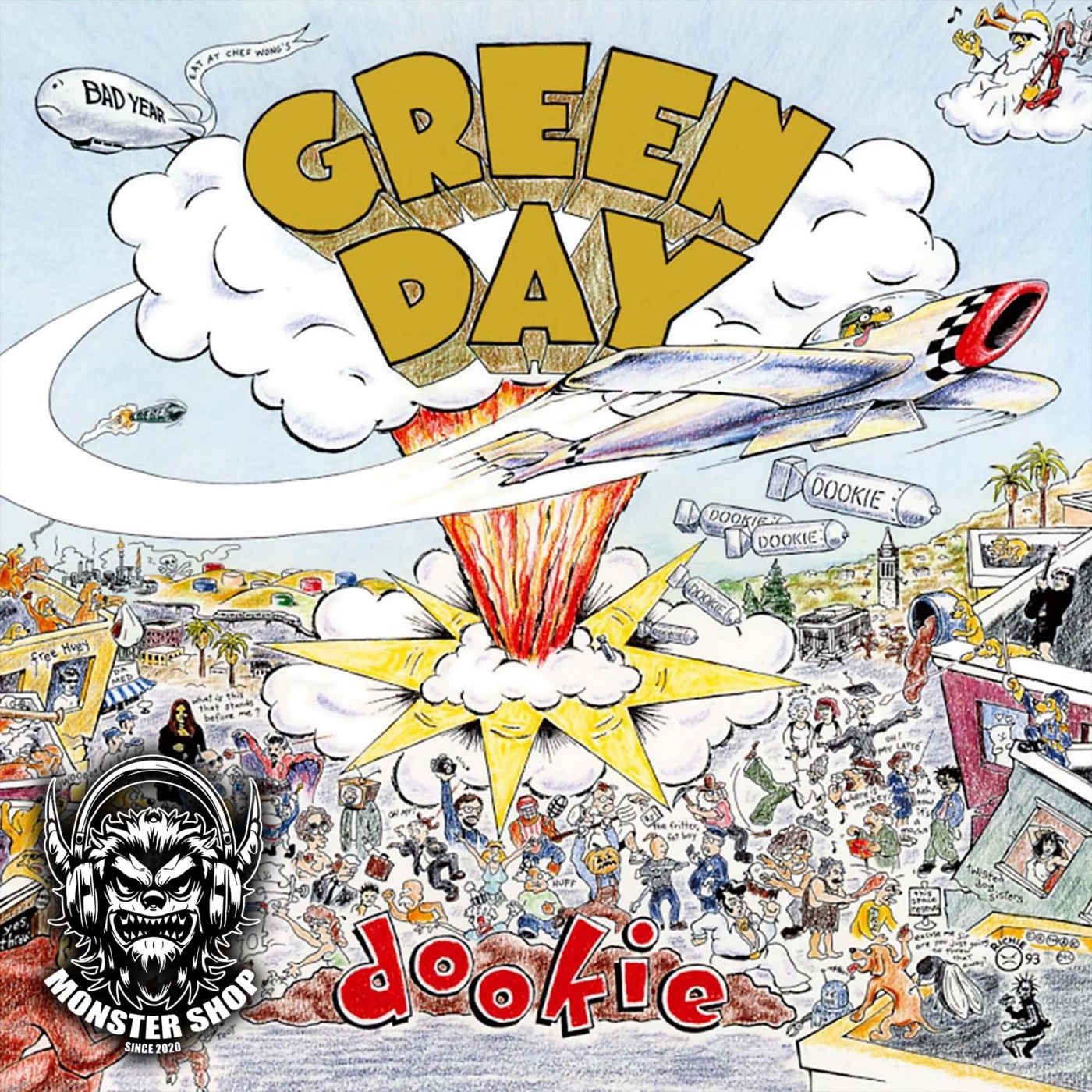
- A quick celebration of album artwork, from Iron Maiden sleeves to Richie Butcher's chaotic Dookie cityscape full of in jokes
- Vinyl nostalgia, Walkman tapes, chewed cassettes and why big album covers still matter even in a thumbnail era
Why This Matters:
Dookie is more than a breakout record, it is the bridge between grimy club punk and the pop punk explosion that defined a decade. Neil and Chris argue that its success comes from discipline as much as attitude, from playing to a click, nailing tight performances and then shaping the sound so it could live on daytime radio without losing its sneer.
By the end of the episode you will hear how this album underpinned an entire scene, inspired countless kids to start bands and proved that three chords, sharp lyrics and the right production choices can move 20 million records. It is a reminder that sometimes the most subversive move is to make the angriest music in the room impossible not to sing along with.
Perfect for: Anyone who learned power chords on Dookie tabs, fans who still shout every word to “Basket Case” at weddings, and curious listeners who want to understand how a scrappy Berkeley punk record quietly reshaped mainstream rock.
You can find us here:
- Blog: https://riffology.co
- All Episodes: https://podkit.riffology.co/podcast
- iHeart: https://www.iheart.com/podcast/1323-riffology-iconic-rock-alb-176865775
- Apple: https://podcasts.apple.com/gb/podcast/riffology-iconic-rock-albums-podcast/id1691556696
- Spotify: https://open.spotify.com/show/1LIU9mein7QMw346q20nyy
- X: https://x.com/RiffologyPod
- Bluesky: https://bsky.app/profile/riffology.co
- Facebook: https://www.facebook.com/riffology
- Email: info@riffology.co