Show Notes
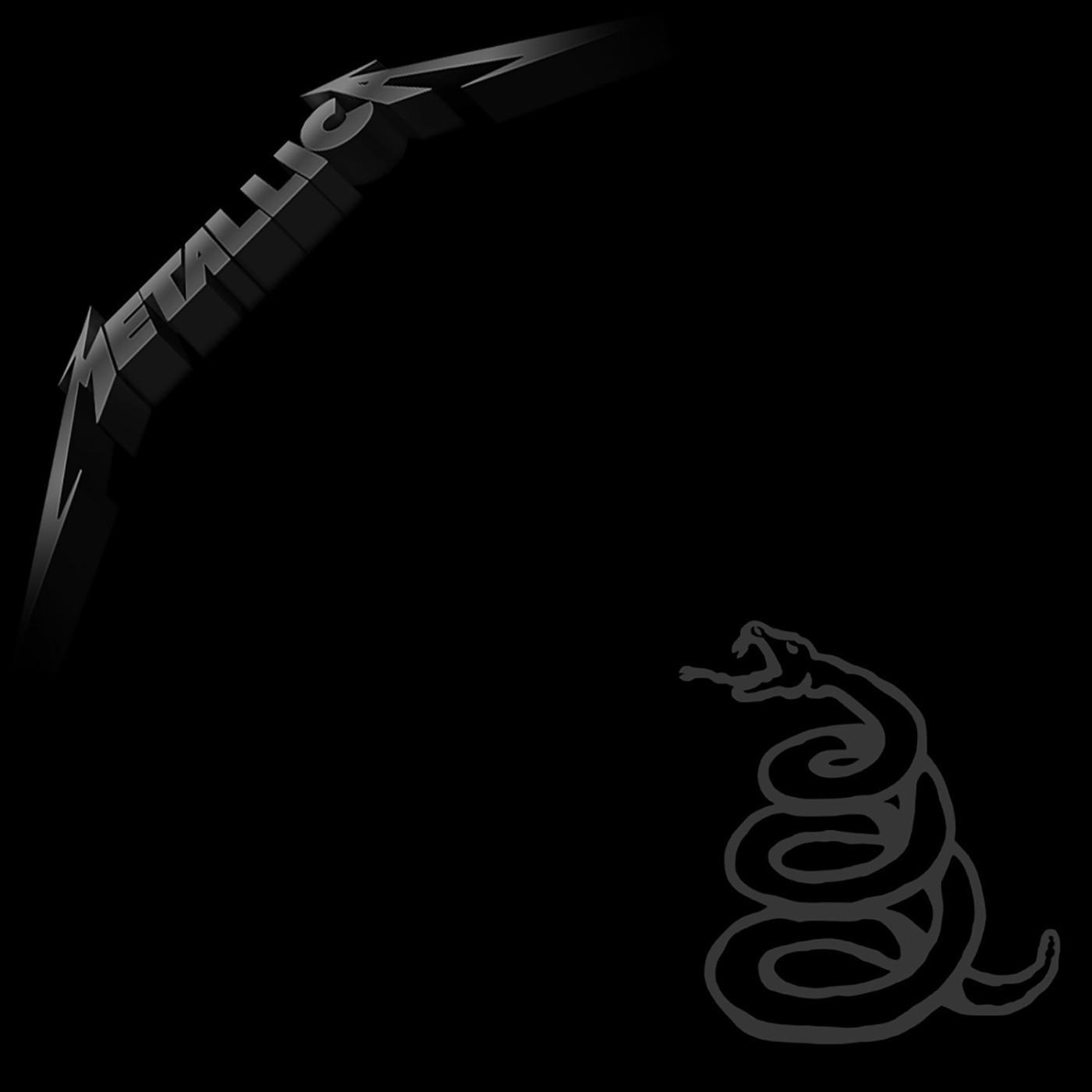
When Heavy Metal Marches Into The Mainstream
Hosts: Neil & Chris
Duration: ~51 minutes
Release: 19 May 2024
Episode Description
This time Neil and Chris plug into Metallica's Black Album, the record that dragged a thrash band out of the underground and straight into school corridors, rock clubs and living rooms everywhere. One of them arrives as a long time skeptic who grew up on the faster, nastier side of Metallica, the other turns up with memories of the Black Album as a gateway into heavy music and a formative guitar textbook. Over the course of the episode, you hear that tension soften as repeated listens and fresh context change old opinions.
They set the scene in 1990 and 1991, when the metal landscape was crowded with landmark albums from Slayer, Megadeth, Anthrax, Testament, Death and more, and explain why the Black Album initially felt like a glossy outlier, even a pop record, compared to all that thrash and death metal. From there they dig into how Bob Rock reshaped Metallica's sound, why that enormous drum and guitar tone mattered so much and how it opened the door for an entire generation of heavier bands to chase big, slow, stadium ready riffs.
What You'll Hear:
- Neil wrestling with his early dislike of the Black Album and how a focused week of listening finally won him over.
- Chris talking about discovering Metallica on cassette at his grandparents' house and how these riffs helped him learn guitar.
- A tour through Metallica's eras, from raw thrash beginnings to progressive epics and then this streamlined, riff driven monster.
- Close listening to tracks like Enter Sandman, Sad But True, The Unforgiven, Holier Than Thou and Nothing Else Matters.
- How Bob Rock's studio battles with Lars created that massive 90s drum and guitar sound that every band tried to copy.
- Context on how the album sold tens of millions, pulled in mainstream listeners and still divides long time fans.
Featured Tracks & Analysis:
The conversation keeps circling back to riffs, from the slow, floor shaking stomp of Sad But True to the standard setting chug of Enter Sandman. Neil and Chris compare early thrash cuts like Hit The Lights and Battery with Black Album material to show how the tempos dropped, the grooves widened and the low end suddenly filled out. You hear how Bob Rock pushed the band to play together live in the studio, track through a Neve console to analog tape and fight for dynamics instead of pure speed.
They also unpack the Spaghetti Western and Morricone inspired colours in The Unforgiven, the marching intro to The Struggle Within and the tongue in cheek lift from West Side Story that opens Don't Tread On Me. Along the way they talk about Nothing Else Matters as the unlikely ballad born from homesickness that Elton John adores, even if one host would happily skip it, and how those song choices helped Metallica connect with listeners far beyond the metal die hards.
Tangential Gold:
- Detours into the year's wider metal and death metal releases, from Slayer and Megadeth to Cannibal Corpse and Entombed.
- A mini history of Metallica producers, from Fleming Rasmussen through Bob Rock to Rick Rubin and what each one changed.
- Stories about hunting down the Year and a Half in the Life of Metallica DVD on eBay just to watch studio outtakes.
- Chat about Western imagery in rock and metal, from Bon Jovi's cowboy era to the Western flavours in The Unforgiven.
- Jokes about Elton John endlessly streaming Nothing Else Matters on a living room full of iPads.
Why This Matters:
Whether you see it as a masterpiece or a sellout, the Black Album changed heavy music. Neil and Chris make the case that it gave metal permission to slow down, sound huge and still feel dangerous, paving the way for countless bands to chase that combination of weight, clarity and accessibility. They read out contemporary reviews that either celebrated it as a landmark or slammed it as overproduced, then show how both views can be true depending on where you stand.
By the end, the episode becomes less about picking sides and more about how our relationships with albums evolve over decades. You hear how one record can be a gateway drug for a young guitarist, a betrayal for a teenage thrasher and, years later, a shared standard everyone agrees you simply have to own. Perfect for: listeners who love big riffs and big production, fans who grew up arguing about whether Metallica sold out, and anyone curious how a single album can drag an extreme genre into the mainstream without completely losing its teeth.
You can find us here:
- Blog: https://riffology.co
- All Episodes: https://podkit.riffology.co/podcast
- iHeart: https://www.iheart.com/podcast/1323-riffology-iconic-rock-alb-176865775
- Apple: https://podcasts.apple.com/gb/podcast/riffology-iconic-rock-albums-podcast/id1691556696
- Spotify: https://open.spotify.com/show/1LIU9mein7QMw346q20nyy
- X: https://x.com/RiffologyPod
- Bluesky: https://bsky.app/profile/riffology.co
- Facebook: https://www.facebook.com/riffology
- Email: info@riffology.co