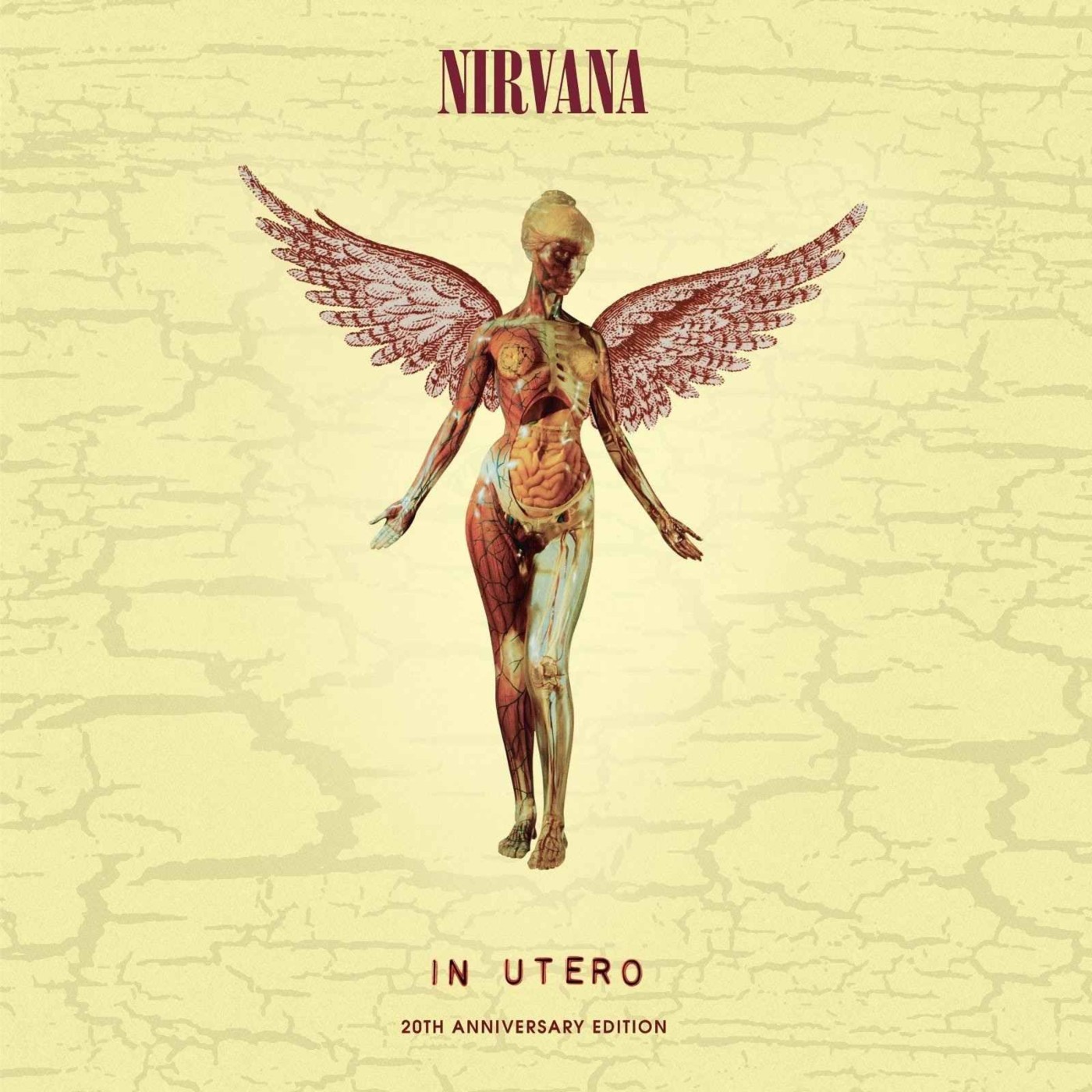
Show Notes
When Punk Rock Credentials Trump Commercial Polish
Hosts: Neil & Chris
Duration: ~46 minutes
Release: 12 May 2024
Episode Description
Welcome to the relaunch of The Monster Shop, where Neil and Chris kick things off by diving into Nirvana's raw, uncompromising third album In Utero. Fresh off the massive commercial success of Nevermind, Kurt Cobain deliberately chose producer Steve Albini to strip away the polish and reclaim the band's punk rock edge. This is the story of an album that almost didn't get released, a producer who refused to compromise, and the fascinating tension between artistic vision and commercial reality.
Neil brings his personal connection to In Utero, confessing he bought it secretly as a metal kid who wasn't supposed to like grunge, drawn in by that massive, punishing guitar sound. Chris reflects on his relationship with Nirvana through their live album Muddy Banks of the Wishkah, where the band's unhinged energy captured something Nevermind's slick production couldn't. Together, they explore how this album represented Cobain's attempt to course-correct after becoming "too big," and why that matters.
What You'll Hear:
- Steve Albini's uncompromising approach: How the legendary producer recorded In Utero in just two weeks, mixed it in days, then refused to change it when the band asked for tweaks to the vocal and bass levels.
- The Albini vs. Scott Litt mixes: Detailed A/B comparisons of "All Apologies" and "Heart Shaped Box" revealing how different mixing philosophies transformed the singles for radio play.
- Analog purity and room sound: Why Albini's insistence on analog recording and room mics created a radically different sonic landscape compared to Butch Vig's tight, compressed Nevermind production.
- Kurt Cobain's contradictions: Exploring how the frontman's public persona of not caring masked a deep sensitivity to critics, and how Courtney Love's influence shaped his thinking about the album.
- Production philosophy deep dive: From Dave Grohl's disco-influenced drumming to the placement of microphones, unpacking what makes these records sound so different despite being from the same band.
Featured Tracks & Analysis:
The hosts dissect key moments from In Utero including "All Apologies" with its buried cello and dynamic guitar punches, "Heart Shaped Box" and its prominent bass lines in the remixed version, and "Scentless Apprentice" with its raw room acoustics. They contrast these with "Lithium" from Nevermind, demonstrating how close-miked drums and forward vocals create entirely different listening experiences. The discussion reveals how listening technology from 1993 cassettes and cheap stereos to today's high-end headphones completely changes how we hear Albini's vision.
Tangential Gold:
- Neil's Brazil Brown (formerly offensively named) Vauxhall Cavalier and its terrible car stereo that probably needed the Scott Litt mixes.
- The personal relationship with music, why Chris won't see Smashing Pumpkins with friends, and treating bands like private experiences.
- Talking to technology as if it's alive, comparing printers to millennial Gen Z sketches, and the universal experience of swearing at devices.
- Derby Rock House memories, brown ashtrays, and the aesthetic horrors of the 1990s.
- Apple Music's "The Producers" playlists and discovering Steve Albini's incredible back catalogue beyond the famous records.
Why This Matters:
In Utero represents a crucial moment in rock history when a band at the peak of commercial success deliberately chose artistic integrity over mainstream appeal. Albini's refusal to compromise his vision, even when it meant lower vocals and less radio-friendly mixes, stands as a masterclass in creative conviction. The hosts reveal how this album's "flaws" the buried vocals, the raw edges, the unpolished performances are precisely what make it resonate decades later, especially when heard on quality equipment that reveals its depth and dynamics.
Perfect for: Grunge historians curious about production choices, anyone who's ever wondered why In Utero sounds so different from Nevermind, music nerds who love A/B comparisons, and listeners who appreciate the tension between artistic vision and commercial pressures in rock music.
You can find us here:
- Blog: https://riffology.co
- All Episodes: https://podkit.riffology.co/podcast
- iHeart: https://www.iheart.com/podcast/1323-riffology-iconic-rock-alb-176865775
- Apple: https://podcasts.apple.com/gb/podcast/riffology-iconic-rock-albums-podcast/id1691556696
- Spotify: https://open.spotify.com/show/1LIU9mein7QMw346q20nyy
- X: https://x.com/RiffologyPod
- Bluesky: https://bsky.app/profile/riffology.co
- Facebook: https://www.facebook.com/riffology
- Email: info@riffology.co